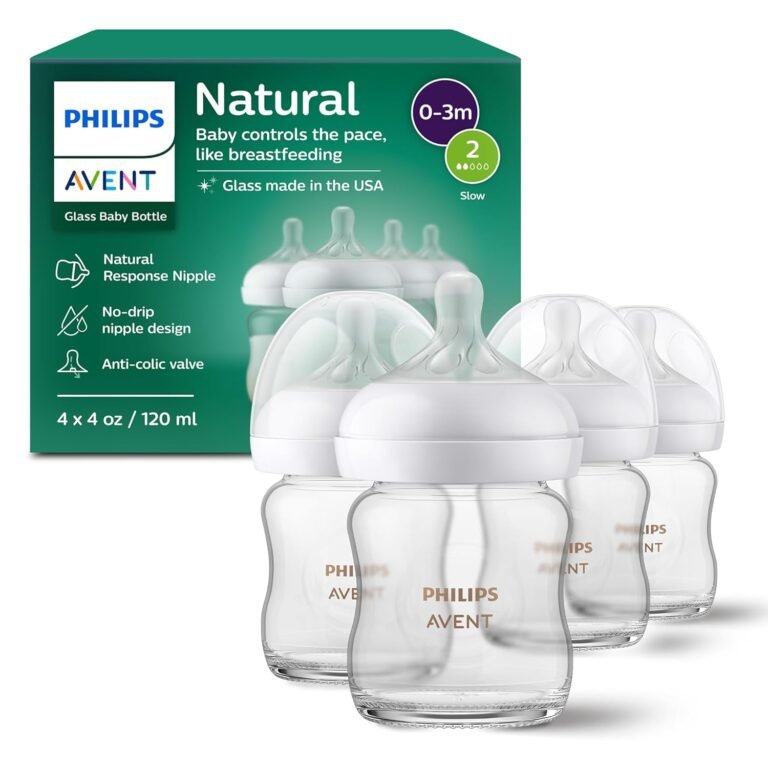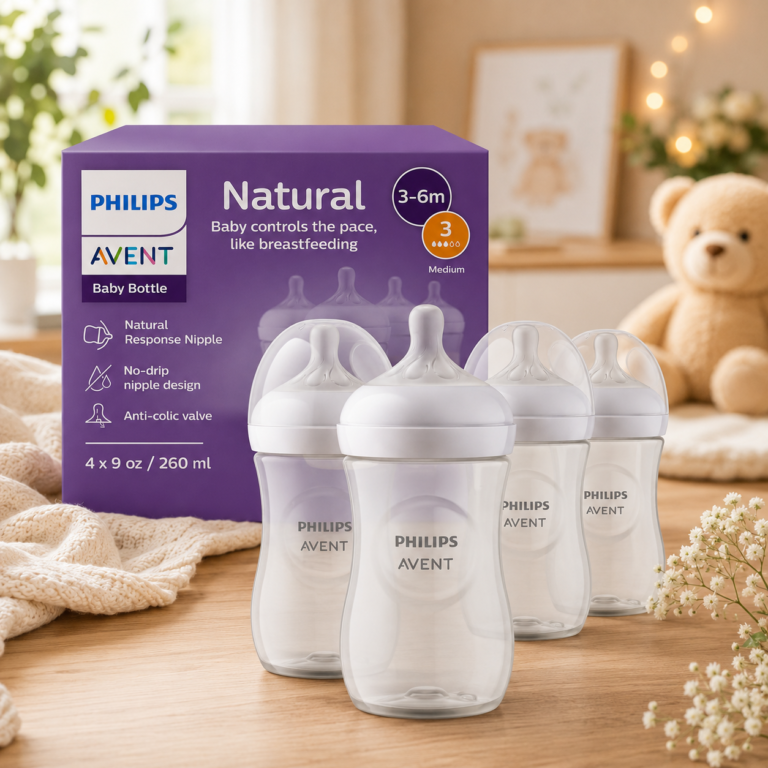
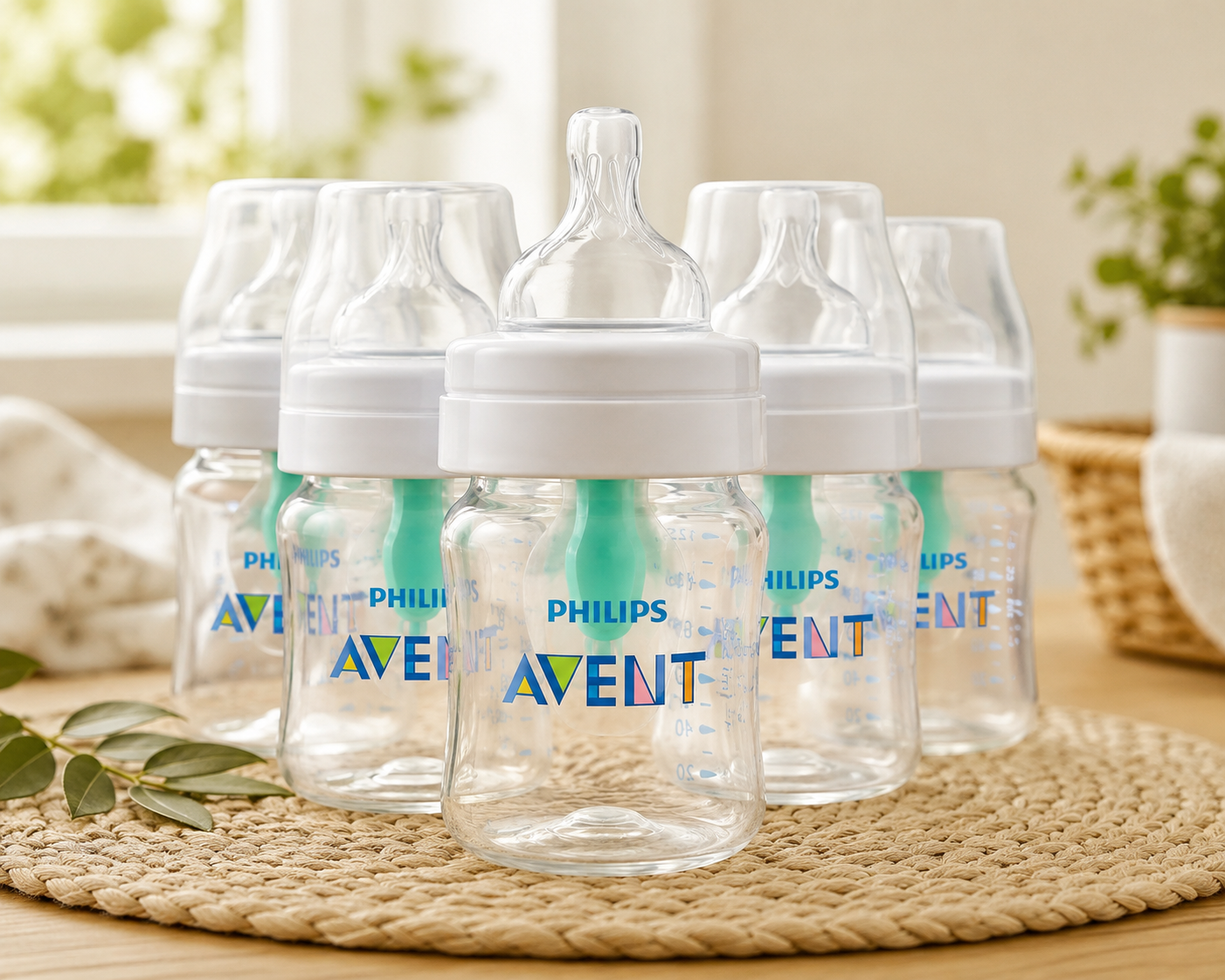
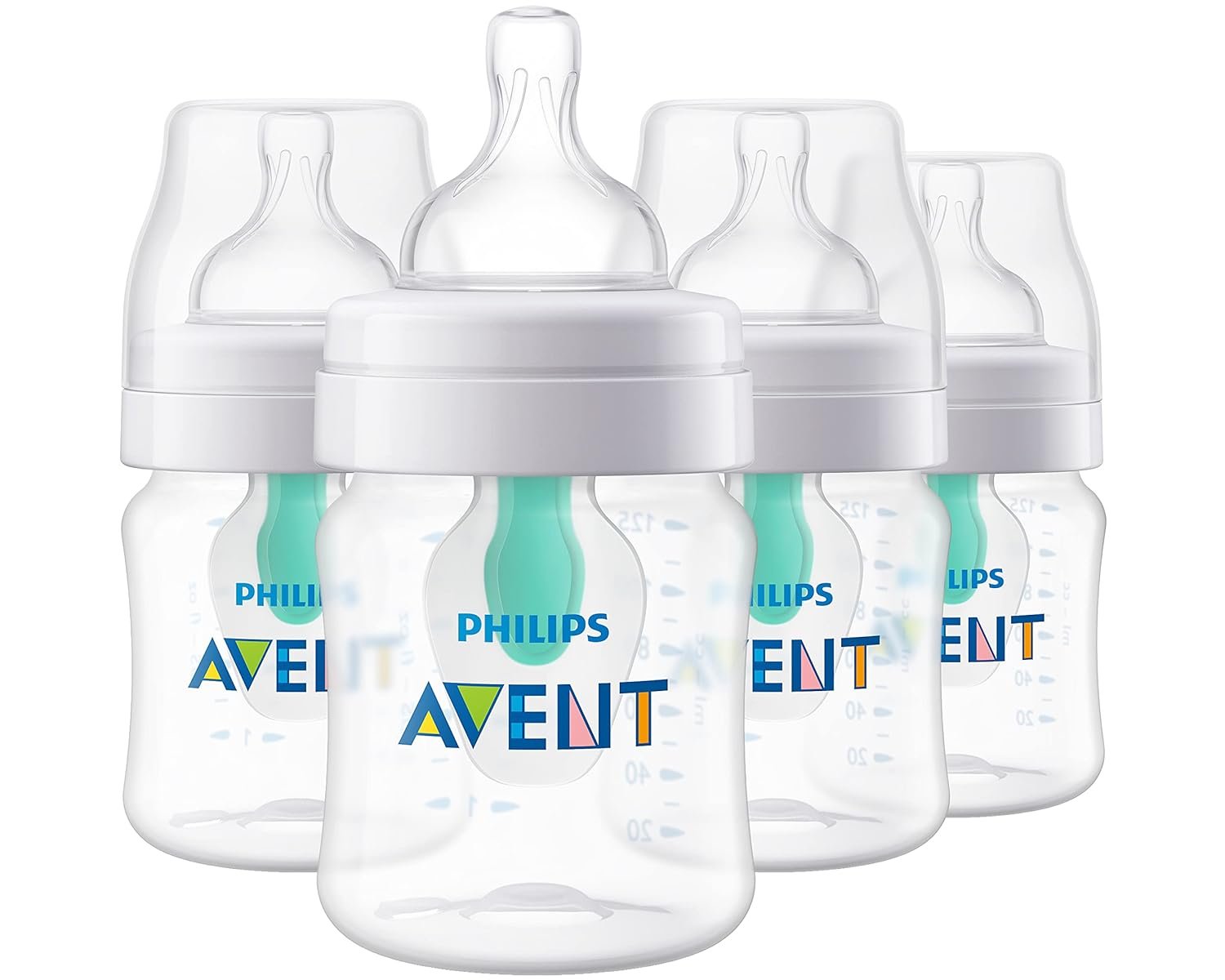
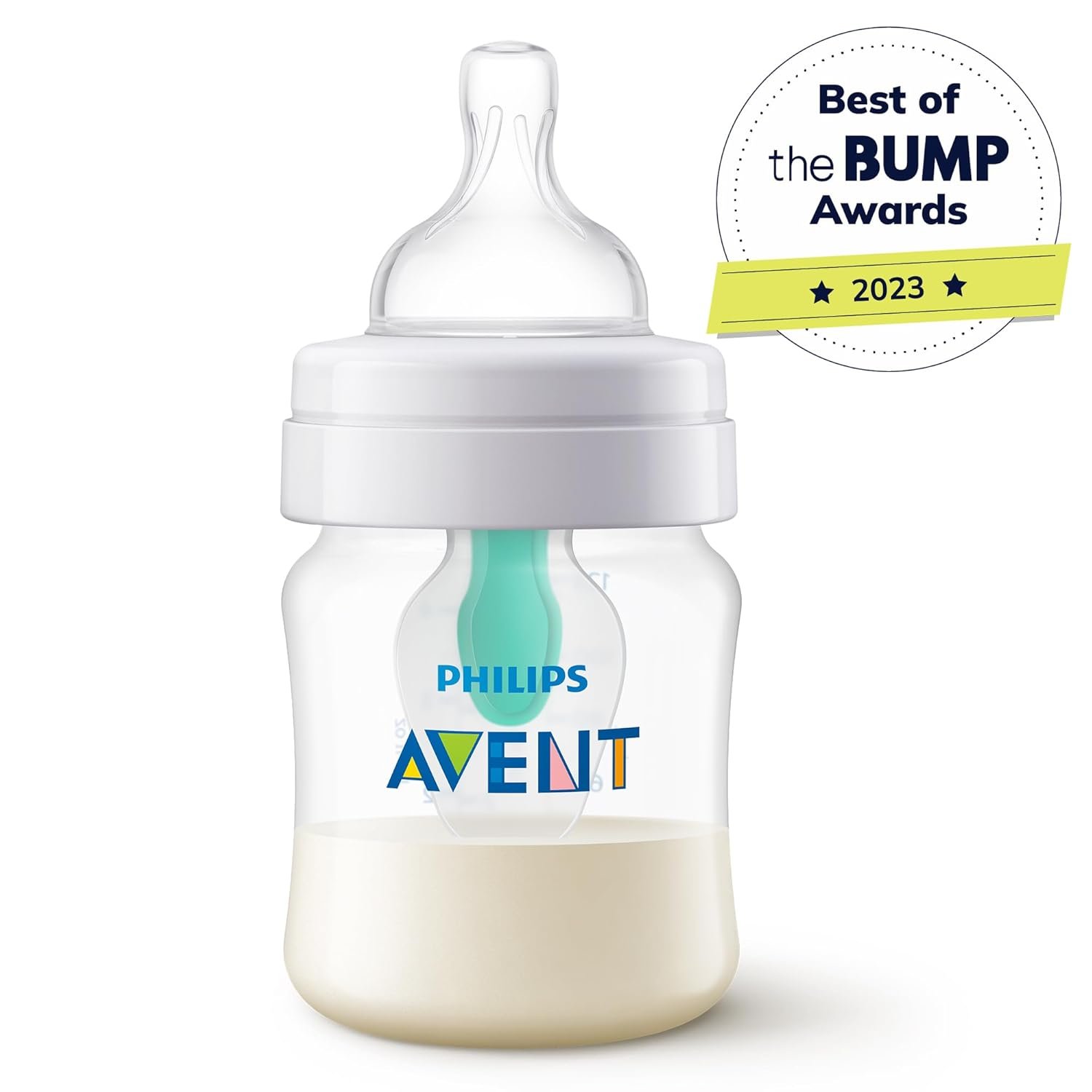
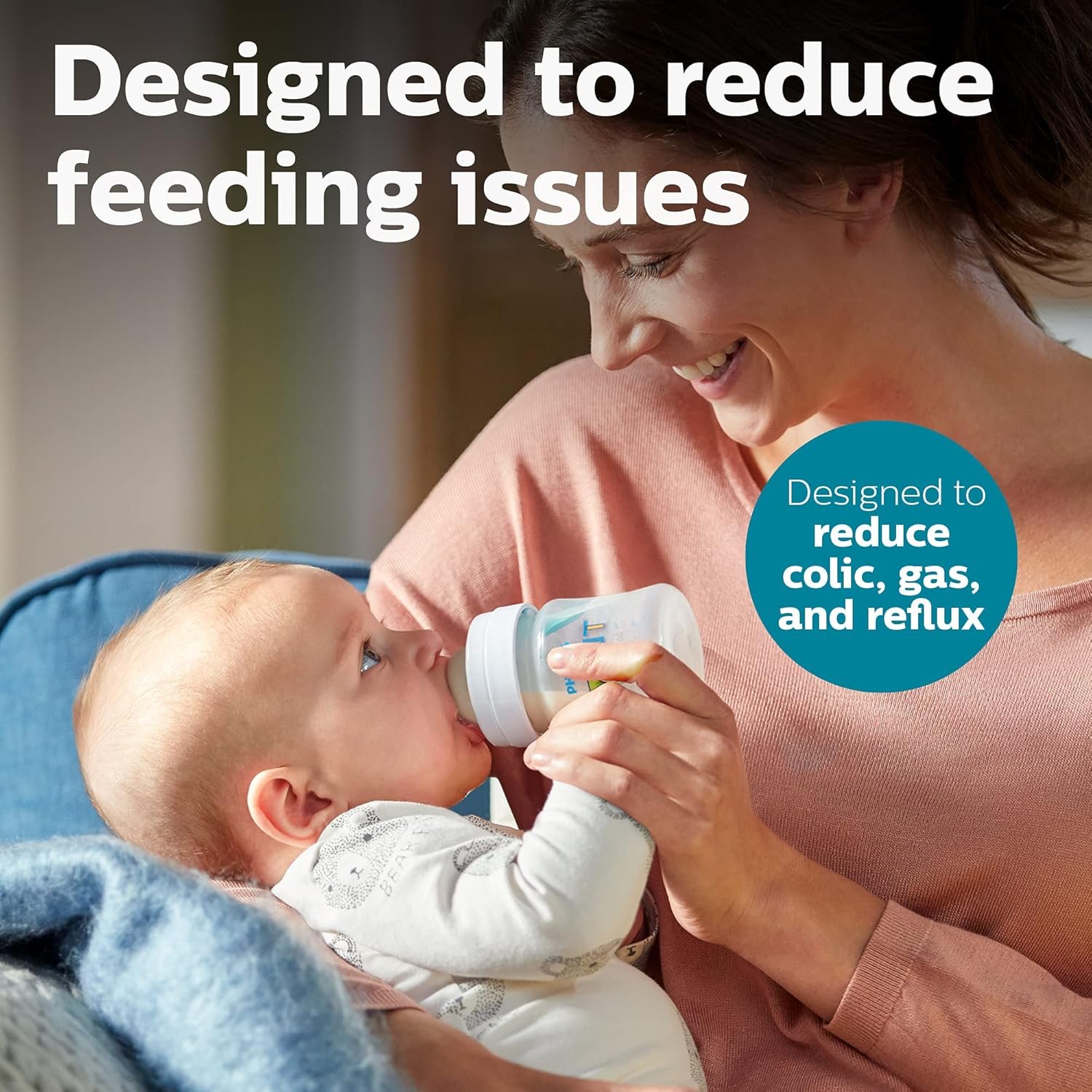

The Philips Avent Anti-Colic Bottle (SCY703/04) is designed to reduce gas, colic, and feeding discomfort with its AirFree vent technology that keeps air out of your baby’s tummy. Easy to clean, BPA-free, and ideal for newborns, it offers a comfortable, natural feeding experience for both babies and parents.
Table of Contents
Philips Avent Anti-Colic Bottle SCY703/04 Review: Honest Mom-to-Mom Experiences, Pros, Cons & Real-World Performance
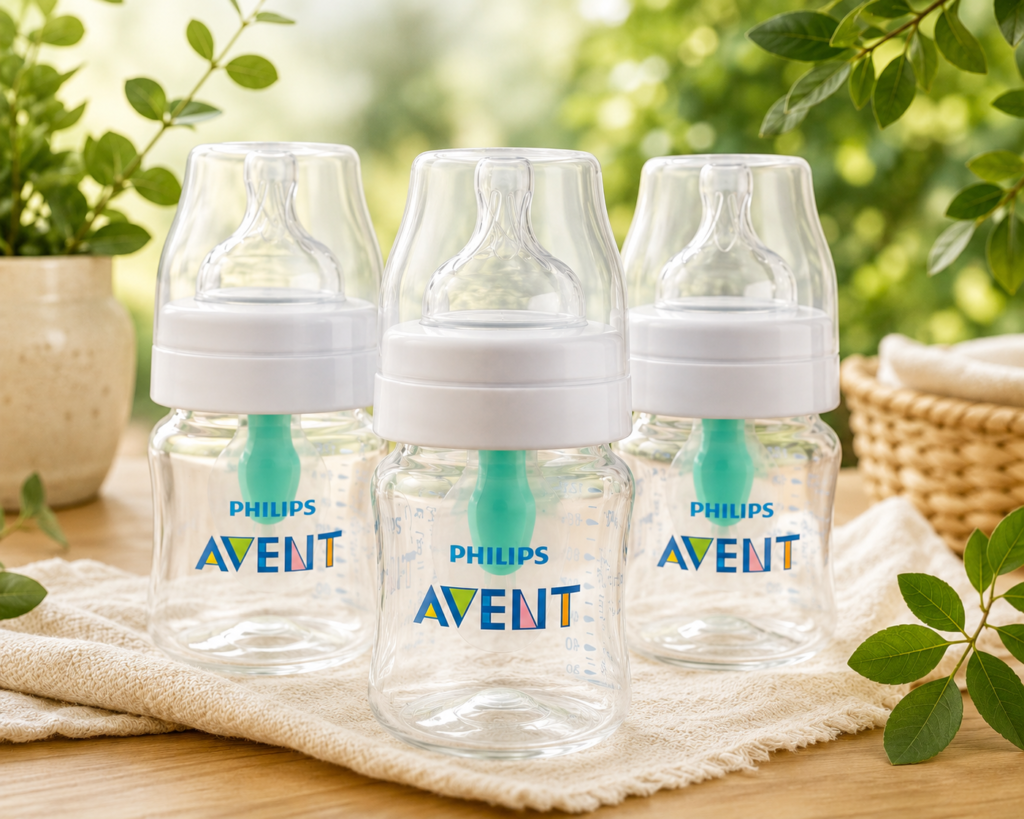
When you’re searching for the best anti-colic baby bottle, you’ll quickly come across the Philips Avent Anti-Colic Bottle with AirFree Vent (SCY703/04). It’s one of the most popular bottles among parents dealing with gas, colic, reflux, and feeding discomfort.
But does it actually work in real life?
To answer that, I looked beyond the manufacturer’s claims and analyzed feedback from real parents and moms who have used the bottle daily. This review combines product features, verified customer feedback, and parent experiences to help you decide whether it’s the right bottle for your baby.
👉 Check Latest Price & Reviews
Philips Avent Anti-Colic Bottle on Amazon
Quick Overview
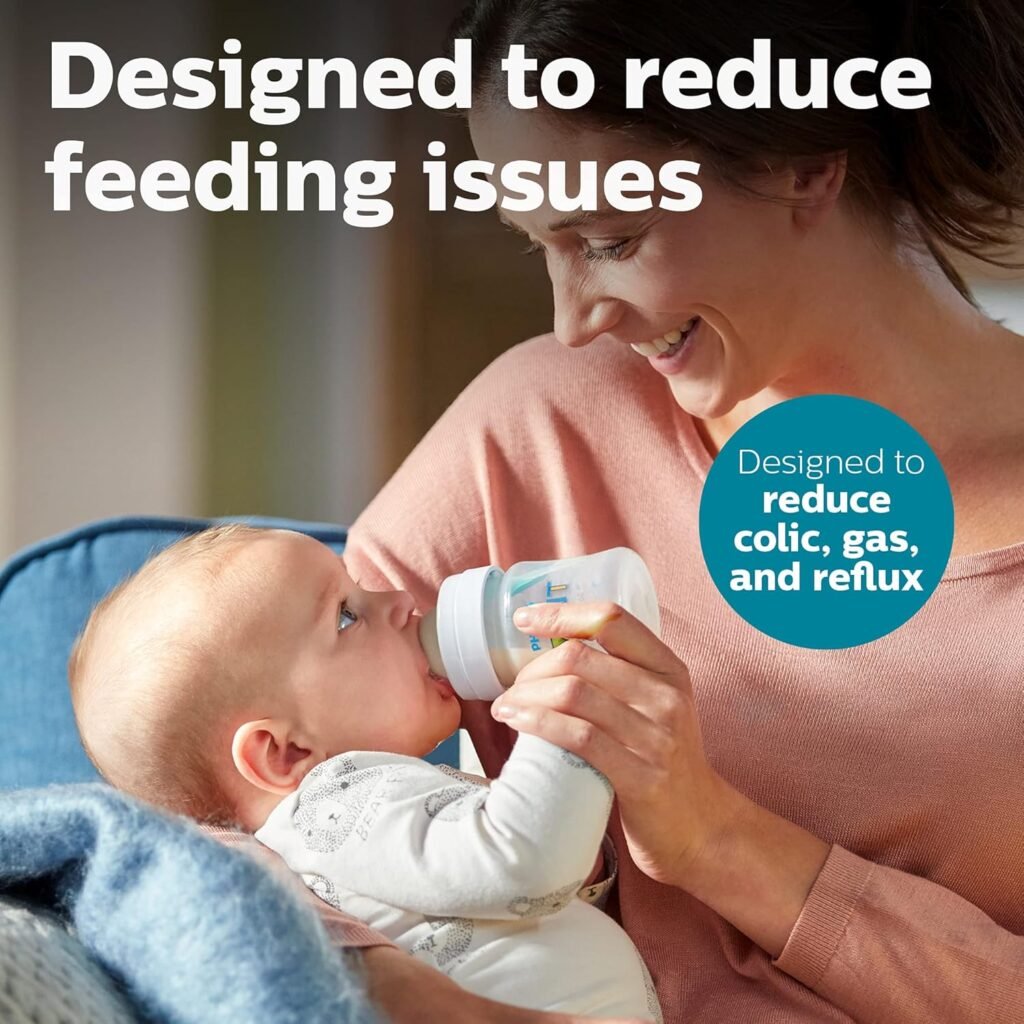
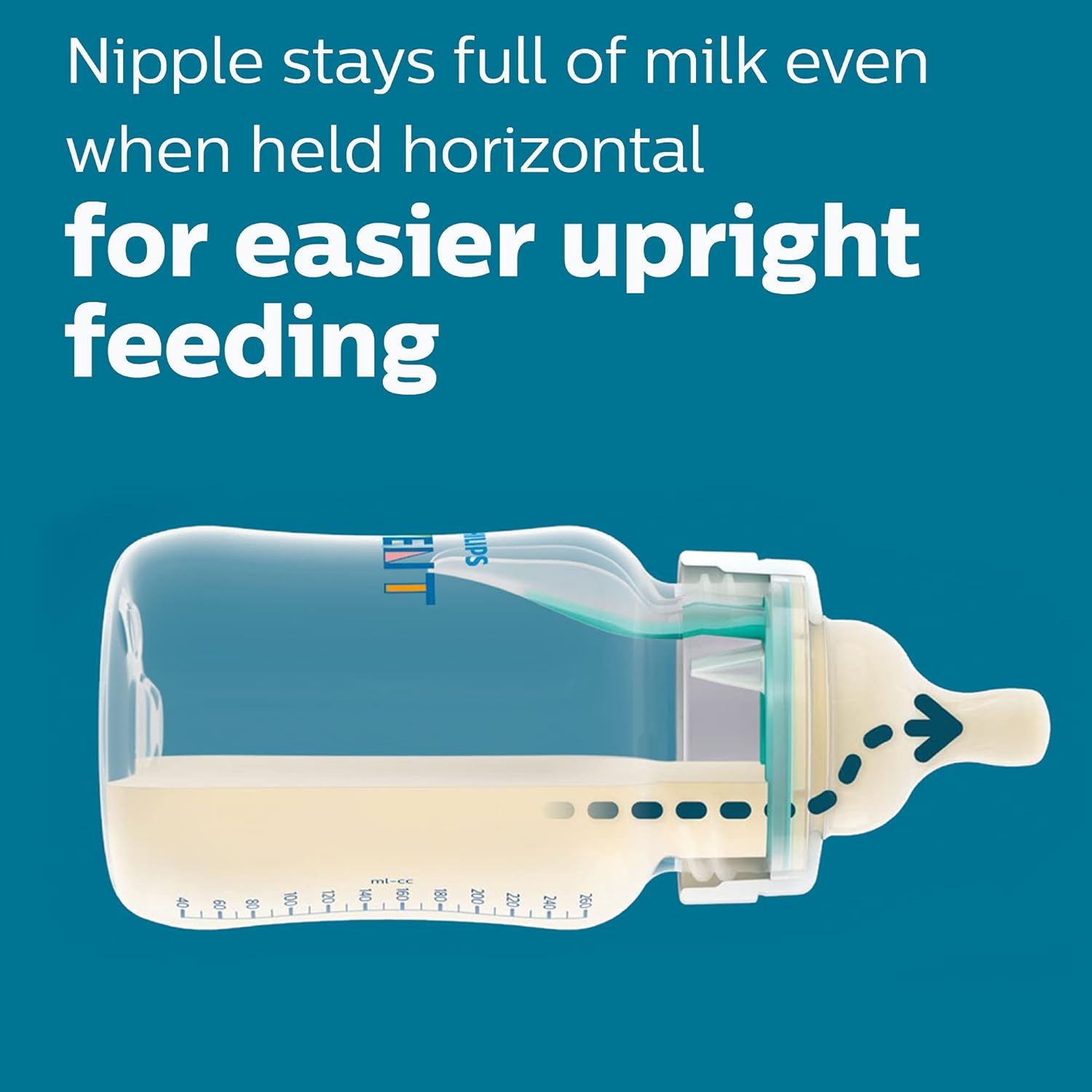
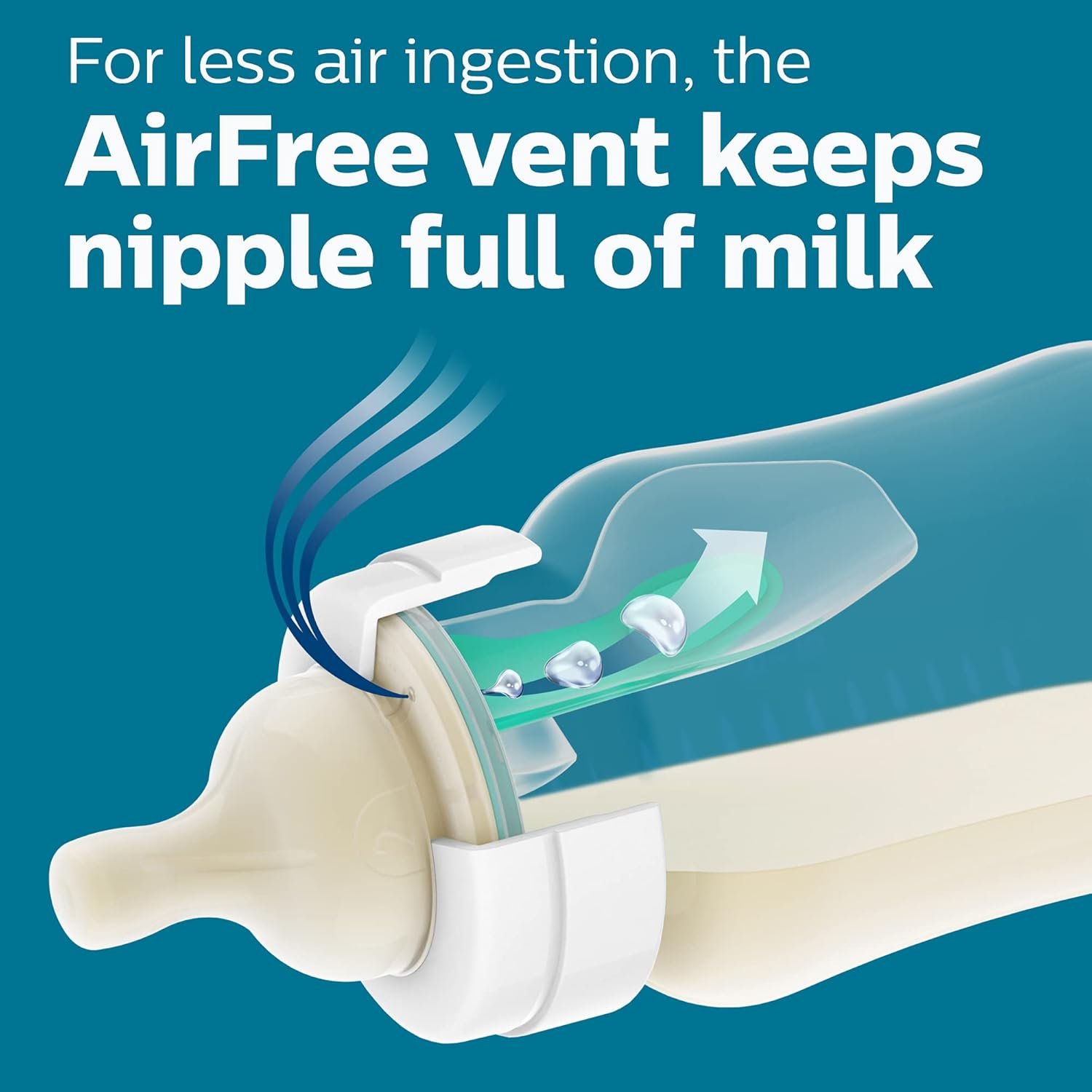
The Philips Avent Anti-Colic Bottle is designed to reduce the amount of air babies swallow during feeding. Its AirFree Vent keeps the nipple full of milk, helping reduce gas, spit-up, reflux, and colic symptoms. According to Philips, clinical studies found babies using their anti-colic bottles experienced significantly less nighttime fussiness compared to some competing vented bottles.
Key Features
- AirFree Vent technology
- Anti-colic valve system
- BPA-free materials
- Wide neck design
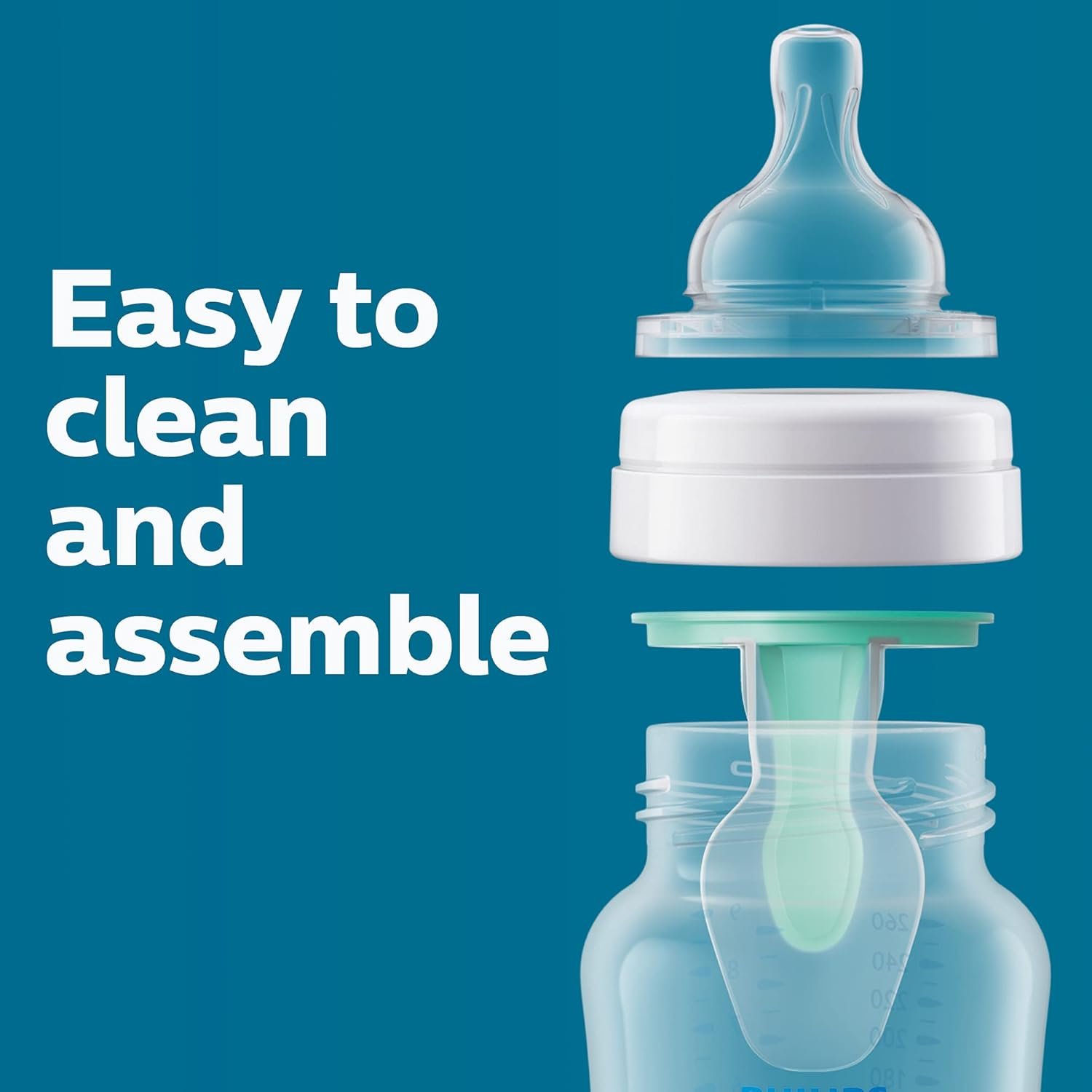
- Easy-to-clean construction
- Compatible with Philips Avent Anti-Colic nipples
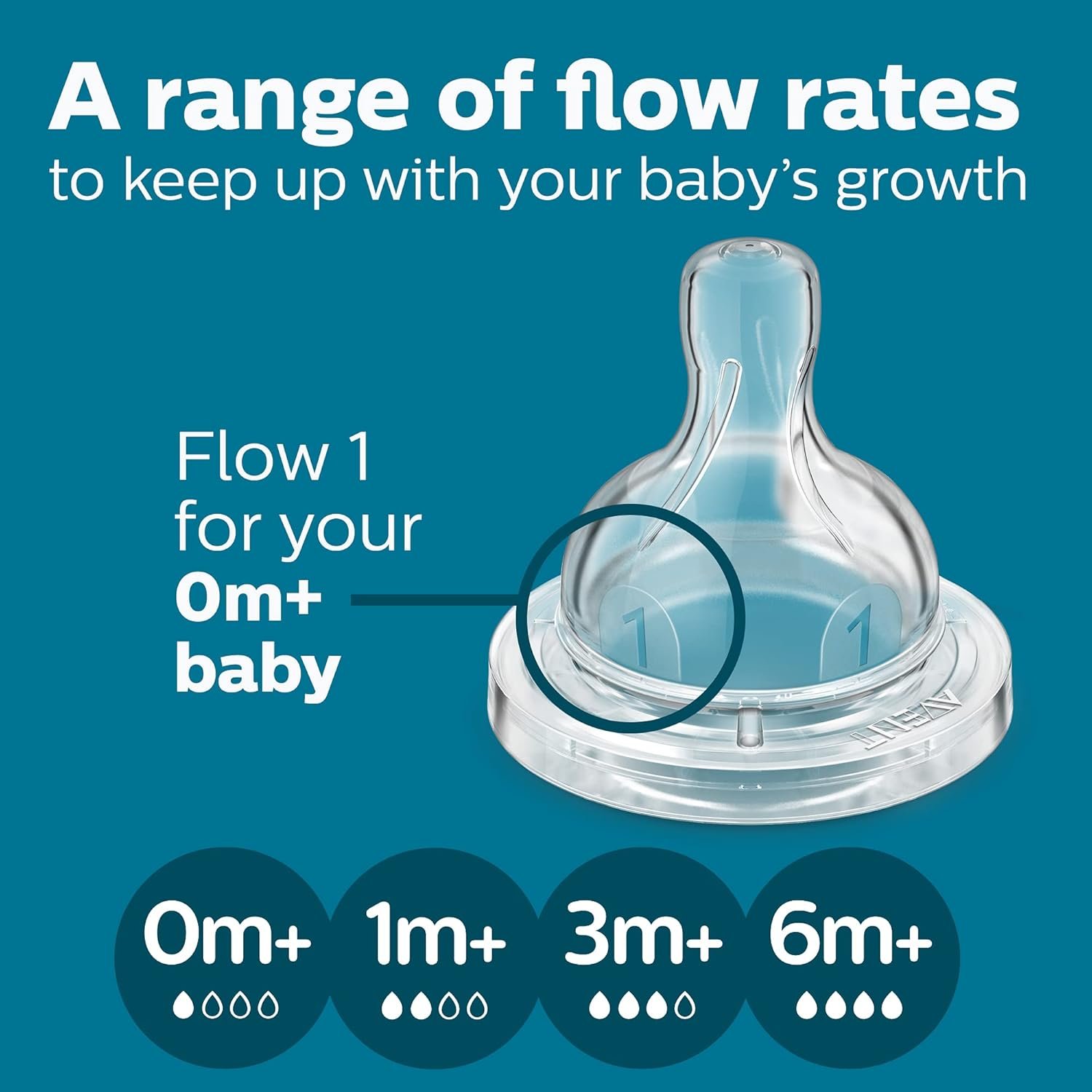
- Available in multiple sizes and flow rates
What Philips Avent Claims
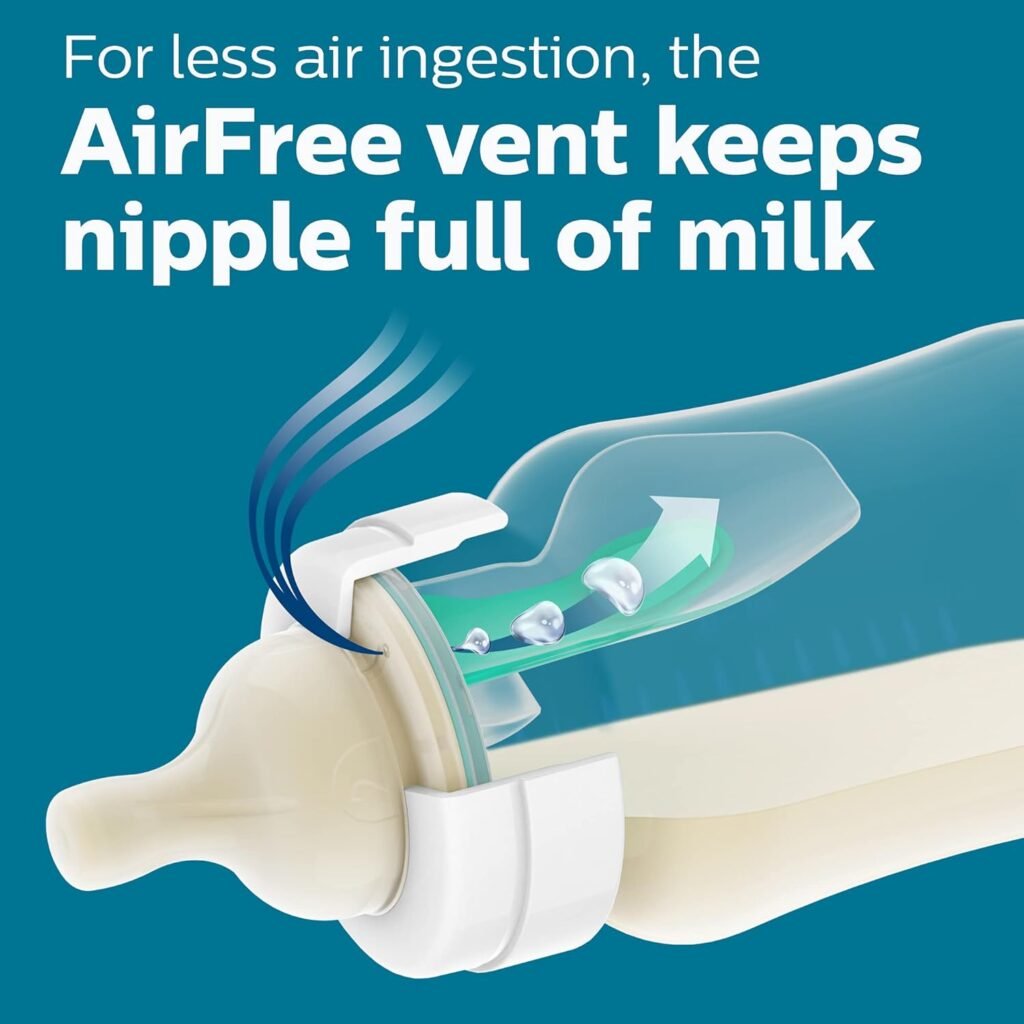
According to Philips, the AirFree Vent is designed to keep the nipple full of milk rather than air, even when the bottle is held horizontally. The company says this helps babies swallow less air, reducing common feeding issues such as gas, reflux, and colic. Philips also cites a home placement study where 80% of participating mothers agreed their baby experienced fewer feeding issues while using the bottle.
The bottle also features:
- Ergonomic shape
- Wide-neck opening
- Dishwasher-safe components
- Fewer parts than many competing anti-colic bottles
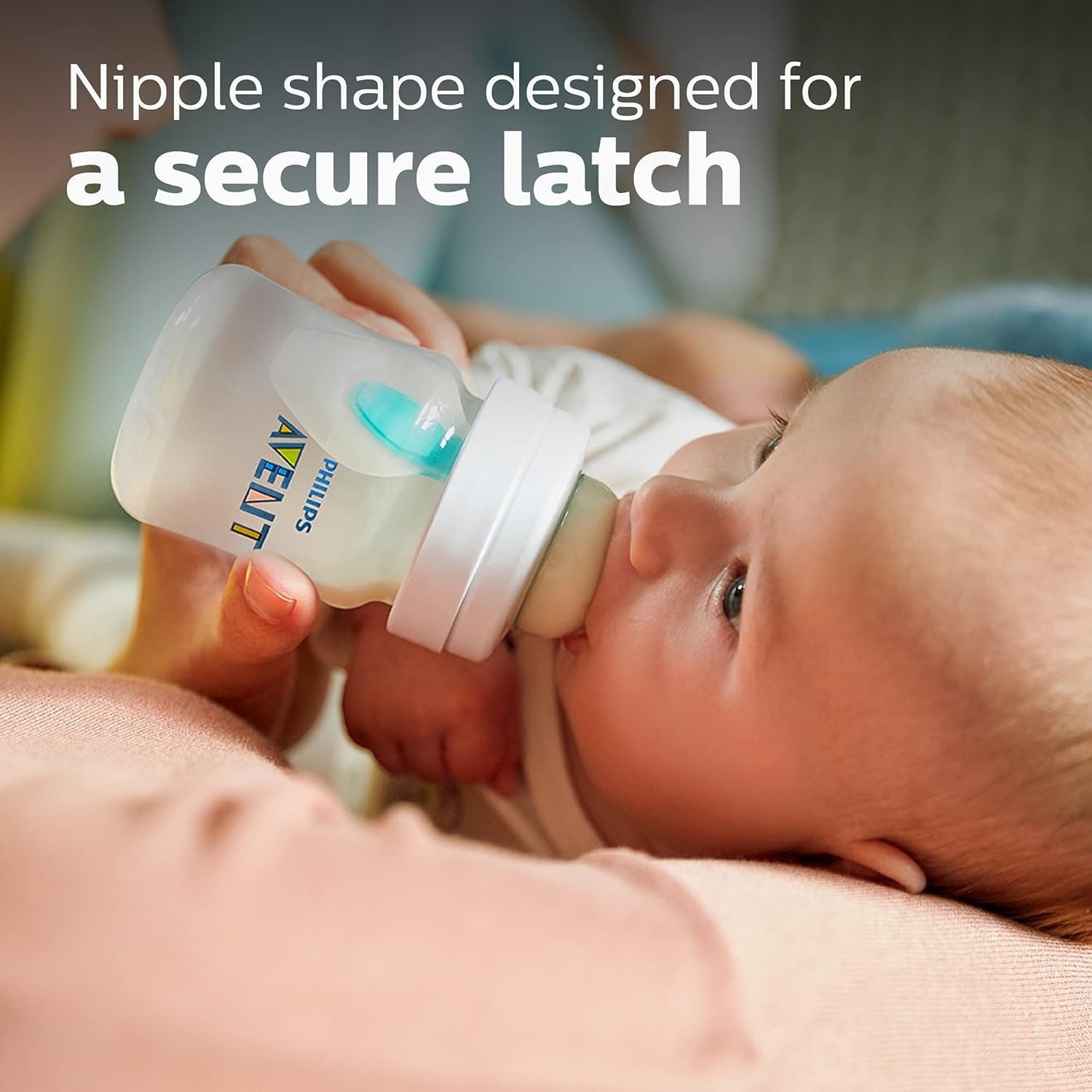
- Silicone nipples designed for easy latching
Real Mom Reviews: What Parents Actually Say
One of the best ways to evaluate a baby product is by listening to parents who have used it through sleepless nights, growth spurts, and feeding challenges.
The feedback is surprisingly balanced.
What Moms Love About It
1. Reduced Gas and Fussiness
Many parents reported noticeable improvements in gas and digestive discomfort.
One parent on Reddit explained that after trying multiple bottles, the Philips Avent Anti-Colic bottle significantly reduced their baby’s gas and GI fussiness and even reduced evening fussiness.
Another parent shared:
“I only use Philips Avent anti-colic now and we love them.”
Several reviews mention:
- Less burping
- Reduced spit-up
- Improved digestion
- Better sleep after feeding
Parents who struggled with gassy newborns often saw the biggest benefits.
2. Easier Cleaning Than Dr. Brown’s
One recurring theme is simplicity.
Many anti-colic bottles use complex internal vent systems with multiple parts. Parents frequently compare Philips Avent favorably to competitors like Dr. Brown’s because there are fewer components to wash.
Several reviewers specifically praised:
- Faster cleaning
- Easier assembly
- Less time spent washing bottle parts
These benefits are consistently mentioned in customer reviews and expert roundups.
3. Good for Combination Feeding
Moms who switch between breastfeeding and bottle feeding often look for nipples that don’t confuse babies.
Many parents reported successful transitions between breast and bottle with Philips Avent products. While every baby is different, numerous reviewers found their babies accepted these bottles without major issues.
4. Fewer Parts, Less Hassle
A parent reviewing the bottle noted that clean-up was extremely simple because of the reduced number of pieces compared to competing anti-colic systems.
For exhausted new parents, this may sound like a small advantage, but after cleaning bottles several times per day, it becomes a major benefit.
Common Complaints From Moms
No baby bottle is perfect, and Philips Avent receives criticism in several areas.
1. Leaking Issues
This is by far the most common complaint.
Many parents report experiencing leaks if:
- The vent is positioned incorrectly
- The nipple isn’t seated properly
- Parts become worn after repeated sterilization
Several customer reviews describe milk leaking from the nipple area during feeding. Some parents eventually switched brands because of persistent leaking.
A recurring observation is that proper assembly matters significantly with this bottle.
2. Flow Rate Can Be Tricky
Some parents found the transition between nipple sizes frustrating.
One recent Reddit parent reported that Size 1 nipples were too slow while Size 2 nipples seemed much faster, causing excess air intake and feeding difficulties.
Other parents mention needing to experiment with nipple sizes before finding the right fit.
3. Not Every Baby Likes Them
This shouldn’t be surprising.
Every baby has different preferences.
Some babies love Philips Avent bottles immediately, while others prefer brands like Dr. Brown’s, MAM, Lansinoh, or Tommee Tippee. Several parents noted that their babies rejected Avent bottles altogether despite positive reviews from other families.
Real-World Ratings
Customer feedback across major retailers generally trends positive.
One large review collection showed:
- 56% five-star ratings
- 25% four-star ratings
Another review analysis found:
- 71% positive feedback regarding the venting system
- 69% positive feedback regarding ease of cleaning
- 72% overall positive sentiment.
Pros and Cons
Pros
✅ Helps reduce swallowed air
✅ Effective for many babies with gas and reflux
✅ Easier to clean than many anti-colic competitors
✅ Wide-neck design
✅ BPA-free materials
✅ Trusted brand
✅ Fewer parts to assemble
✅ Compatible with other Philips Avent feeding products
Cons
❌ Can leak if assembled incorrectly
❌ Some parents report leaking after repeated sterilization
❌ Flow rates may require experimentation
❌ Not every baby accepts the nipple shape
❌ Slightly more expensive than basic bottles
Who Should Buy This Bottle?
The Philips Avent Anti-Colic Bottle is a strong choice for:
Newborn Parents
Especially if your baby experiences:
- Gas
- Colic
- Reflux
- Frequent spit-up
Parents Who Hate Complex Bottles
If you’re tired of washing multiple vent tubes and tiny parts, this bottle is much simpler than many competitors.
Families Using Both Breast and Bottle
Many parents report successful combination feeding experiences with Avent bottles.
Mom-to-Mom Verdict
If I combine the manufacturer claims with actual parent feedback, a clear picture emerges:
The Philips Avent Anti-Colic Bottle genuinely helps many babies with gas and feeding discomfort. The AirFree Vent system appears to work well when assembled correctly, and parents consistently praise the bottle’s simplicity compared to more complicated anti-colic systems.
However, the most common complaint is leakage. Parents who experience leaks tend to become frustrated quickly, especially during night feedings.
Final Rating
| Category | Score |
|---|---|
| Anti-Colic Performance | 9.2/10 |
| Ease of Cleaning | 9.3/10 |
| Design & Comfort | 9.0/10 |
| Leak Resistance | 7.8/10 |
| Value for Money | 8.8/10 |
| Overall Rating | 9.0/10 |
Bottom Line
For parents looking for an effective anti-colic bottle without the complexity of multiple vent tubes and extra cleaning work, the Philips Avent Anti-Colic SCY703/04 remains one of the strongest options on the market. Most moms report happier feedings, less gas, and easier cleaning, although paying close attention to assembly is important to avoid leaks.
Best for: Newborns, gassy babies, reflux-prone babies, and parents who want an easy-to-clean anti-colic bottle.
👉 Explore our full tested product reviews → babyproductslab.com/product-review/