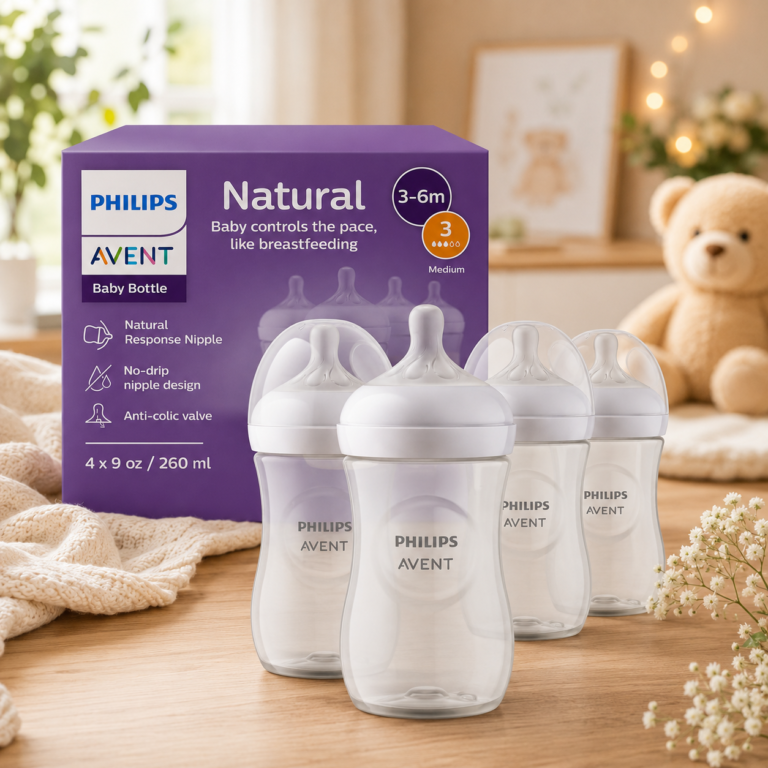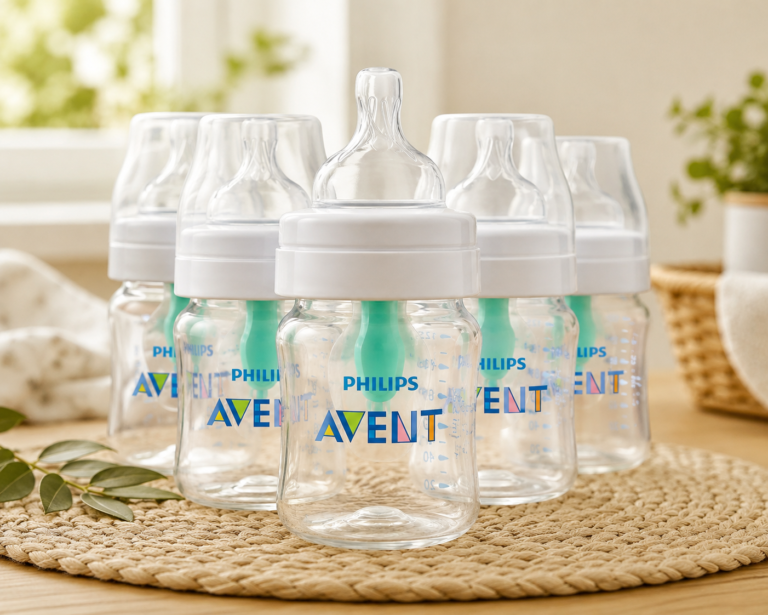
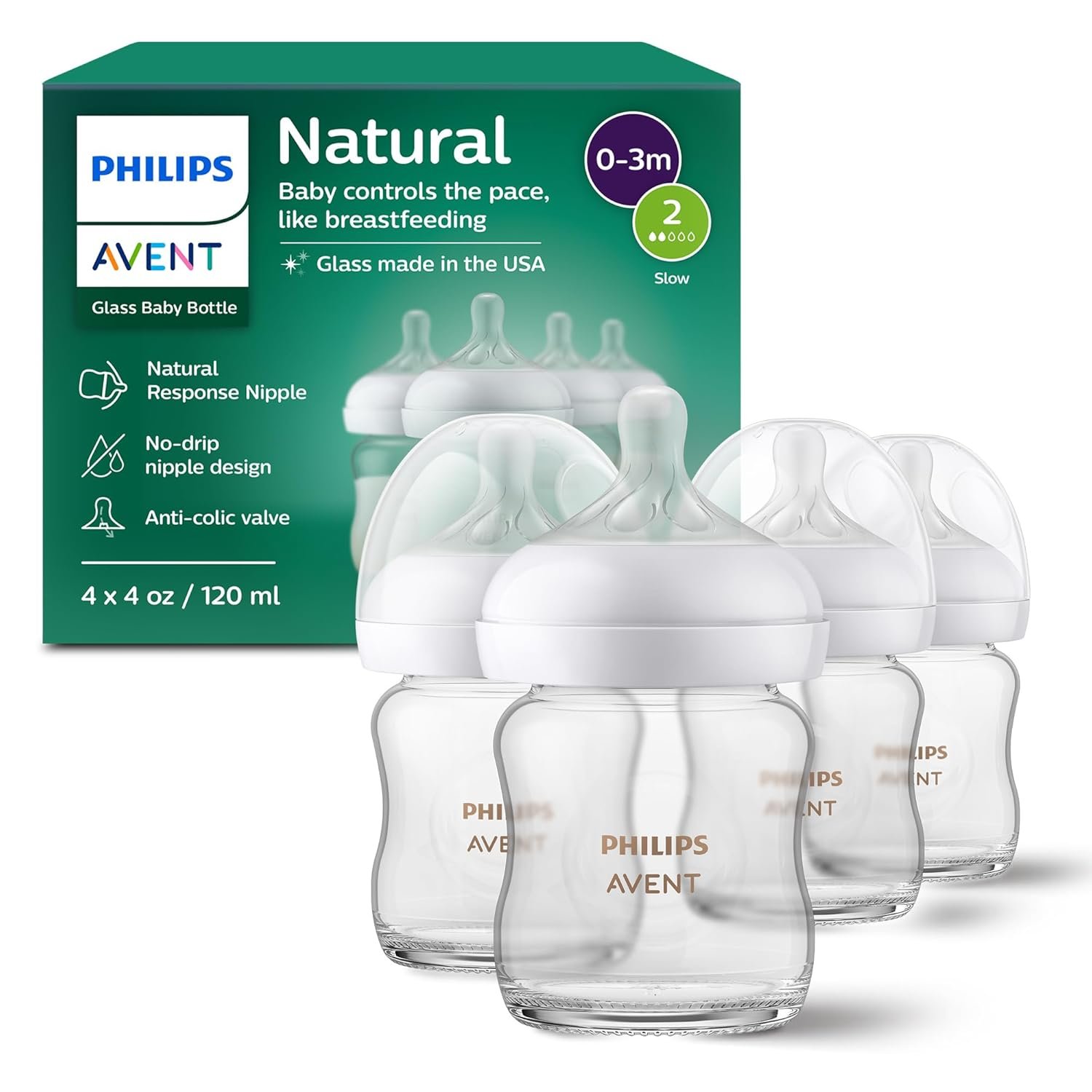
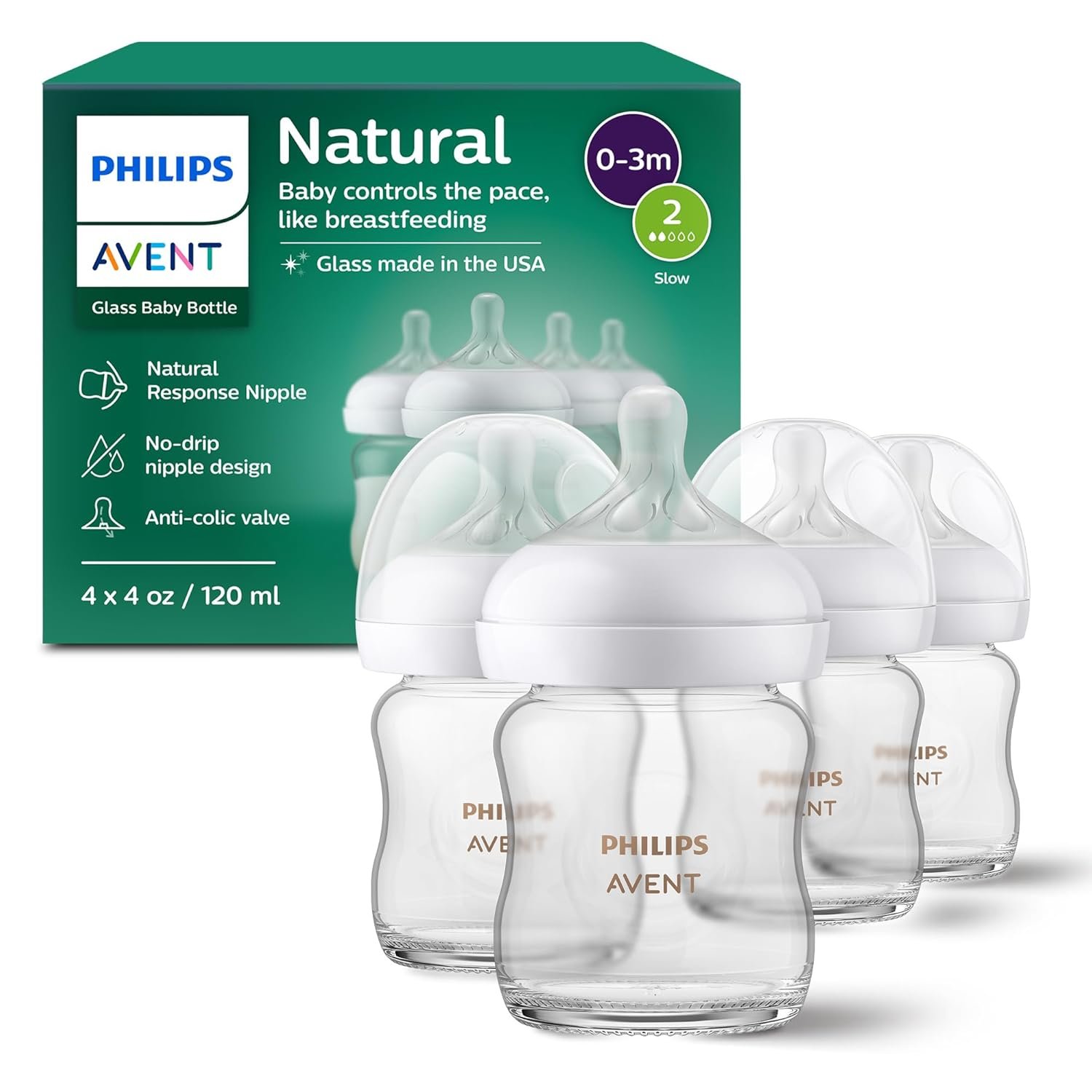

The Philips Avent Natural Response Glass Baby Bottle (SCY910/04) is designed to closely mimic natural breastfeeding, allowing babies to control milk flow with each suck. Made from high-quality borosilicate glass, it offers a safe, durable, and chemical-free feeding solution for parents who prefer a more natural and eco-friendly option. Loved by both American and European parents, it is praised for reducing colic symptoms, preventing leaks, and supporting smooth breast-to-bottle transitions. While some babies may need time to adjust to the slower flow nipple, most families find it becomes an essential part of their daily feeding routine once the right nipple level is chosen.
Table of Contents
Philips Avent Natural Response Glass Baby Bottle (SCY910/04) – Honest Review from Real American & European Parents
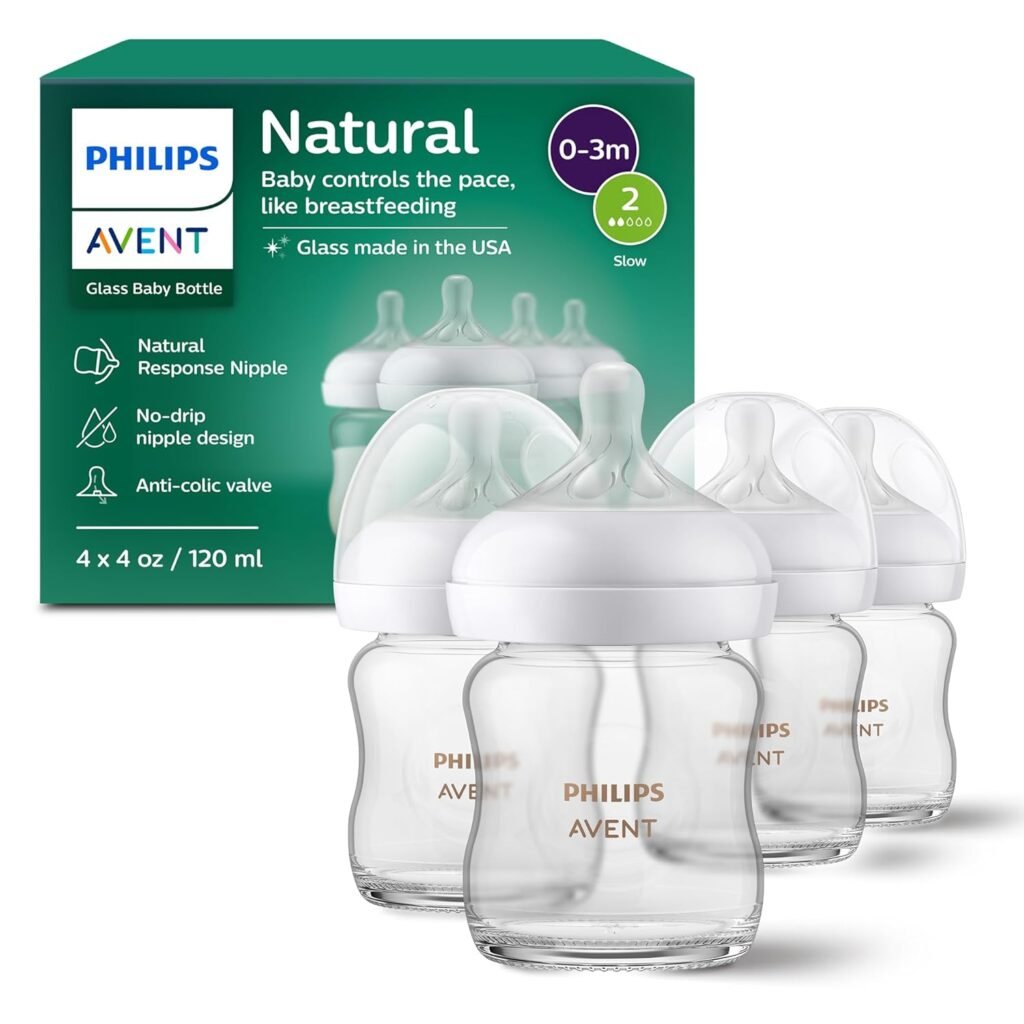
Choosing the right baby bottle can feel overwhelming, especially with so many options claiming to be “the closest to breastfeeding.” If you’re a parent who wants a natural feeding experience, fewer feeding issues, and safer materials, the Philips Avent Natural Response Glass Baby Bottle (SCY910/04) is likely already on your radar.
But does it really live up to the hype?
To answer that, we looked beyond marketing claims and focused on what actually matters: real experiences from American and European parents who use this bottle daily. This review blends those honest opinions with practical insights to help you decide if this bottle is the right fit for your baby.
First Impressions: Premium Feel & Thoughtful Design
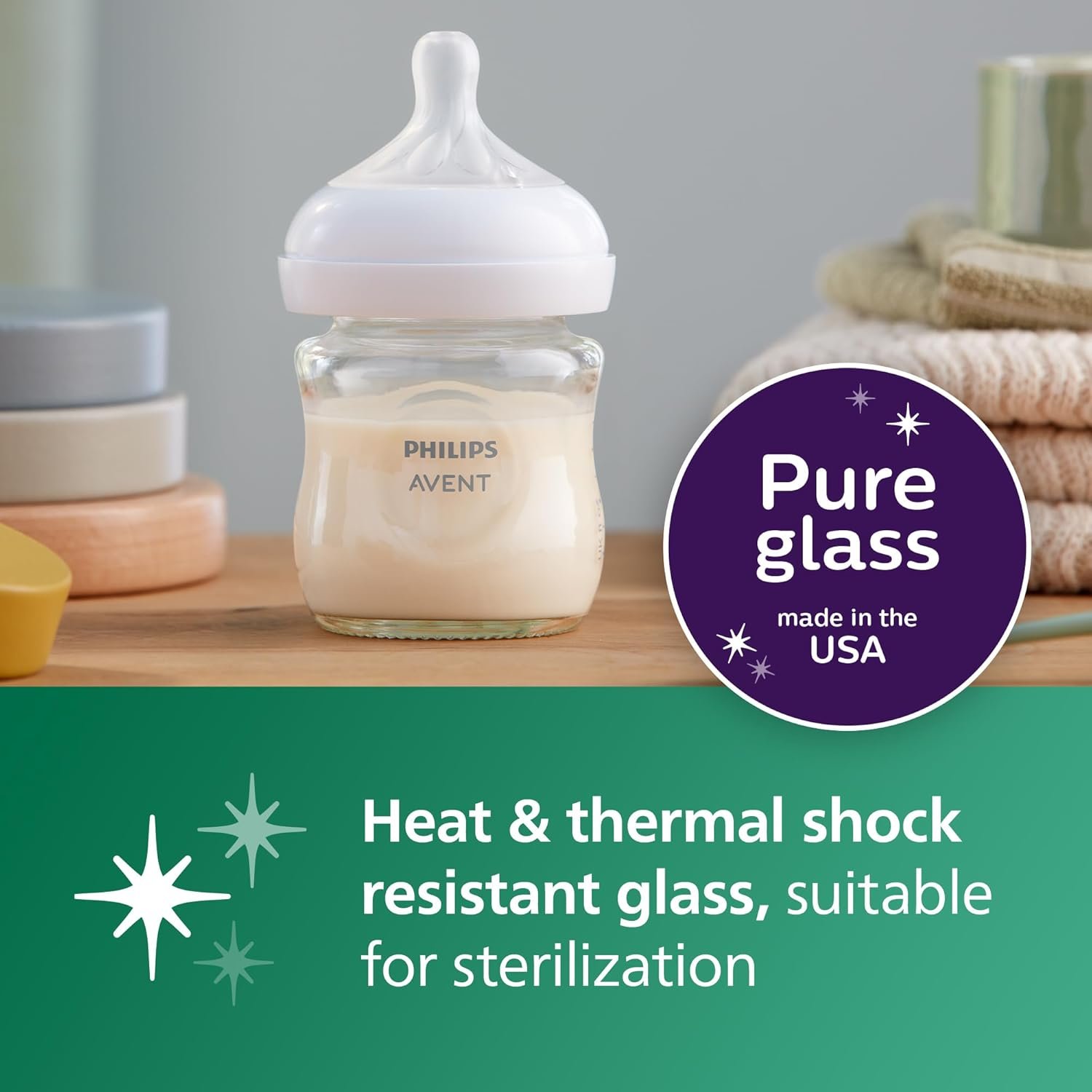
One of the first things parents notice is the high-quality glass build. Unlike plastic bottles, this one is made from durable borosilicate glass, known for its resistance to heat and thermal shock.
According to Philips official product page, the bottle is designed to combine safety, durability, and a natural feeding experience.
Many parents in the U.S. say switching to glass gives them peace of mind, especially when sterilizing frequently. European parents also highlight its eco-friendly aspect.
👉 If you’re exploring more baby feeding options, check our guide on best baby bottles for newborns (internal link).
The Natural Response Nipple: What Makes It Different?
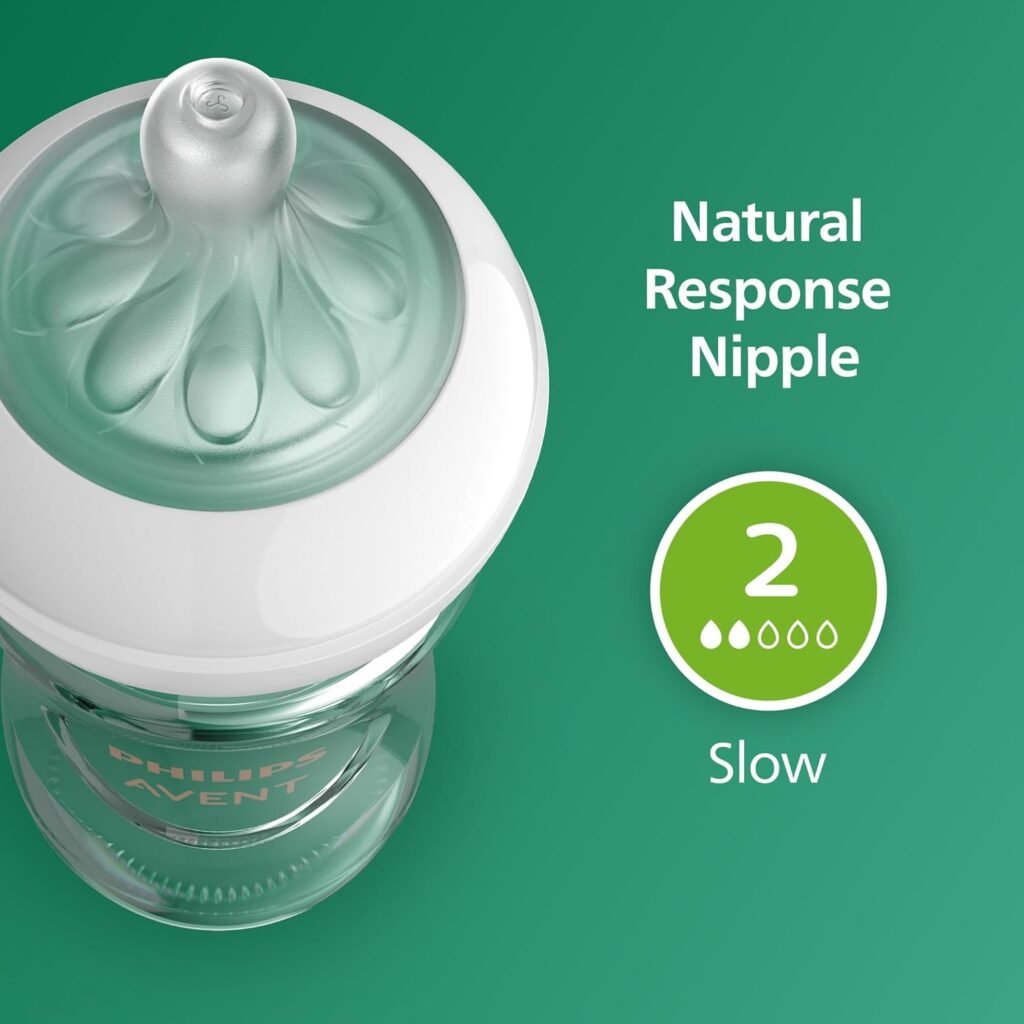
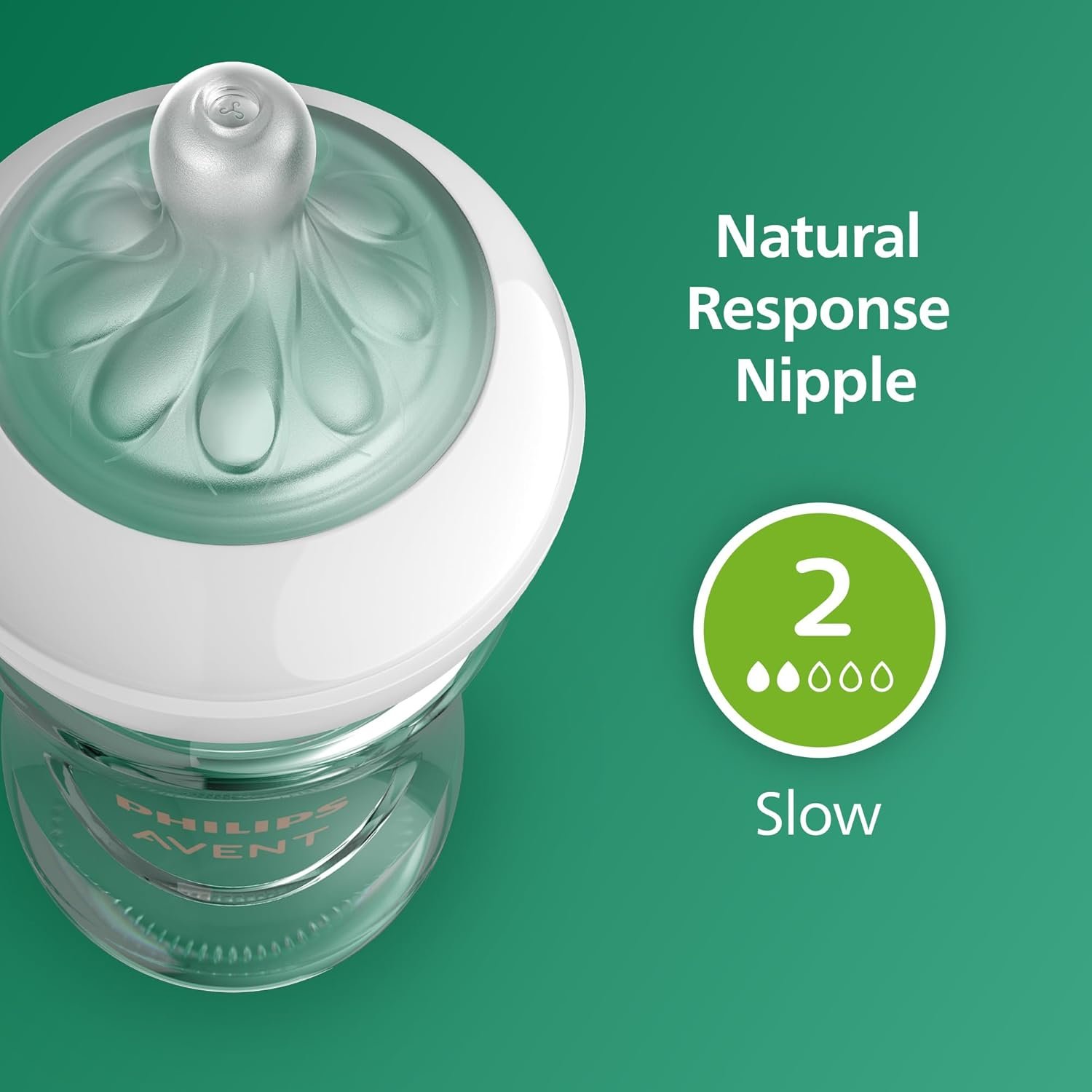
The standout feature—and the most talked-about—is the Natural Response nipple.
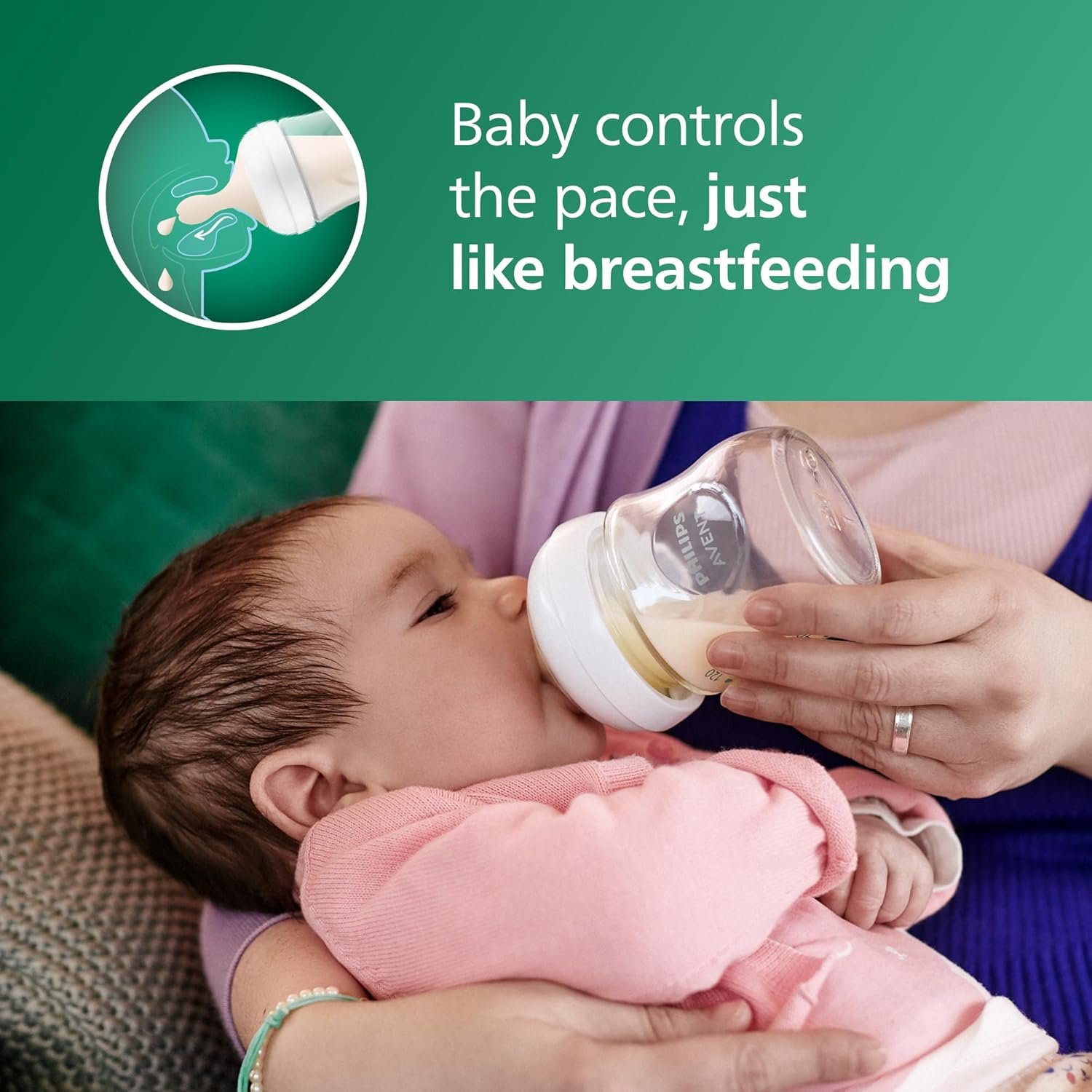
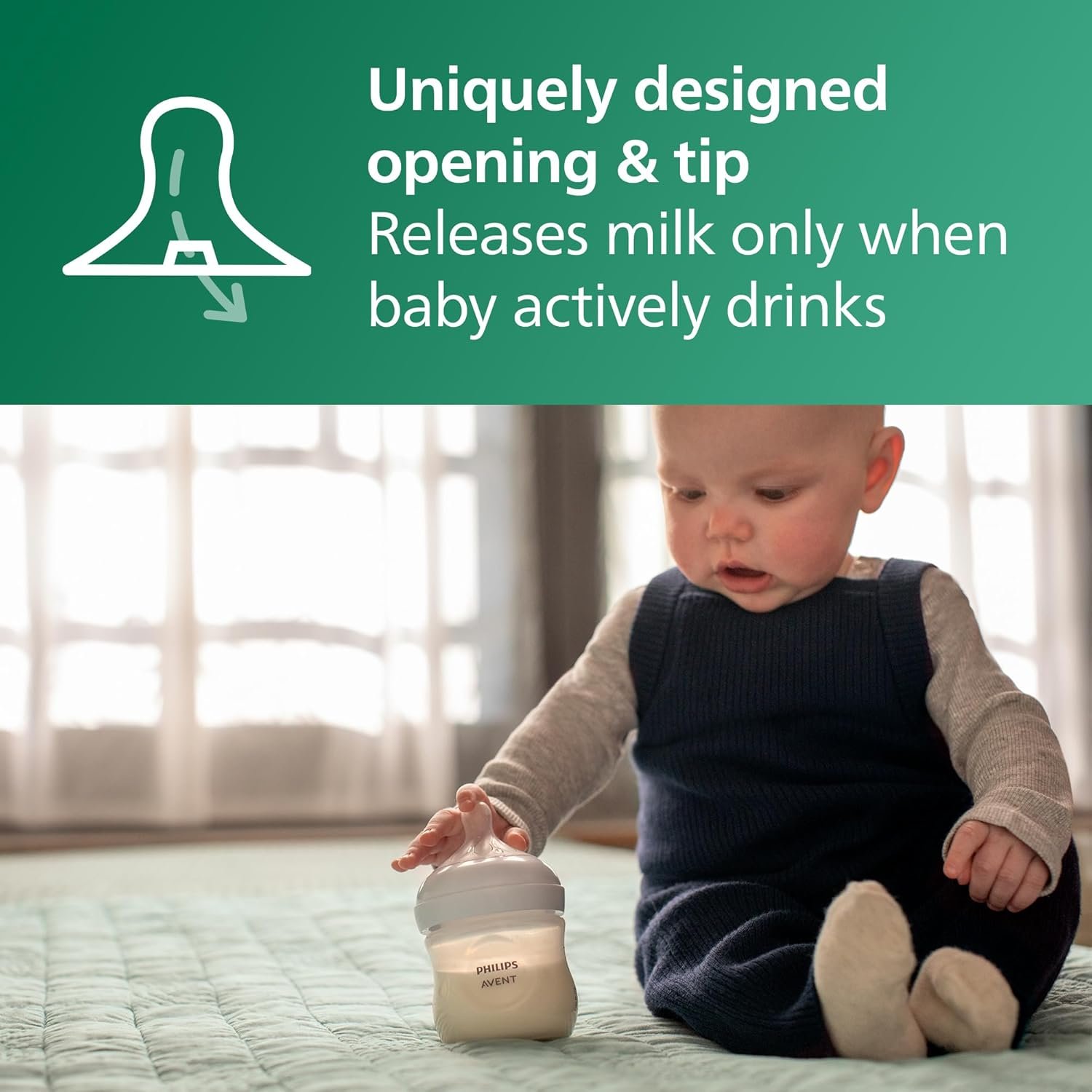
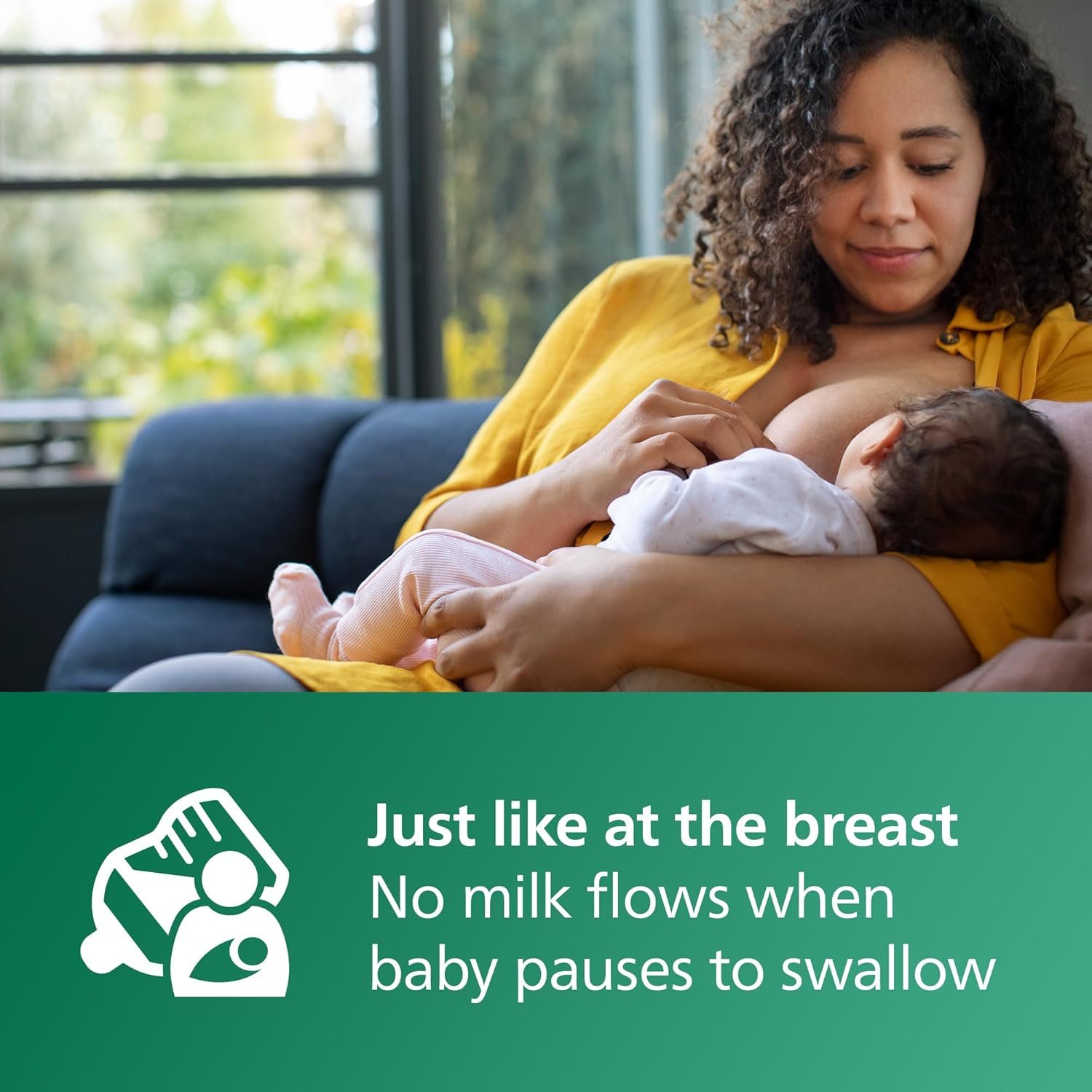
Unlike traditional bottles where milk flows continuously, this nipple only releases milk when the baby actively sucks. This is meant to mimic breastfeeding, where babies control the flow themselves.
What Parents Love
Many American moms who combine breastfeeding and bottle feeding say this feature is a game-changer.
One mom shared that her baby no longer choked or gulped milk too quickly. Another mentioned that her baby transitioned between breast and bottle without confusion—something that had been a struggle with other brands.
European parents echo the same experience. Several describe how their babies seemed calmer during feedings, taking natural pauses just like they would during breastfeeding.
Common benefits parents report:
- Less milk waste (no dripping when baby pauses)
- Reduced risk of overfeeding
- More natural feeding rhythm
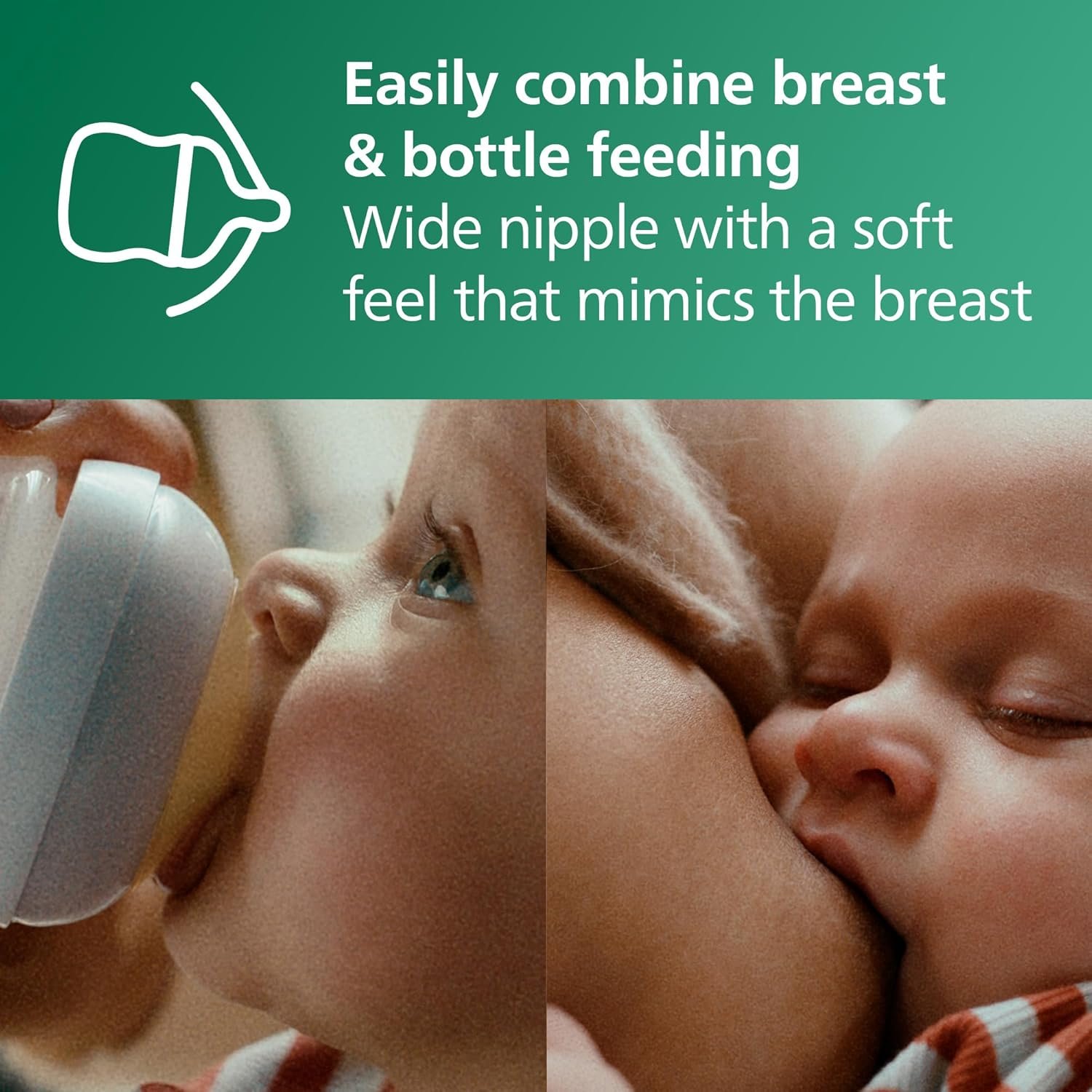
- Easier combination of breast and bottle feeding
For parents trying to avoid nipple confusion, this feature alone is often the main reason they choose this bottle.
Anti-Colic Performance: Does It Really Help?
Colic and gas are major concerns for new parents, and this bottle includes an anti-colic valve designed to reduce air intake.
Real Parent Feedback
Many parents—especially in the U.S.—report noticeable improvements in their baby’s comfort after switching to this bottle. Some mention fewer burping sessions, less fussiness, and better sleep after feeds.
A European parent shared that their baby, who previously struggled with gas, became noticeably calmer within a few days of using the bottle.
However, it’s important to stay realistic:
No bottle can completely eliminate colic for every baby.
Some parents say they didn’t see a dramatic difference, but still appreciated the overall feeding experience.
Glass vs Plastic: Why Parents Are Switching
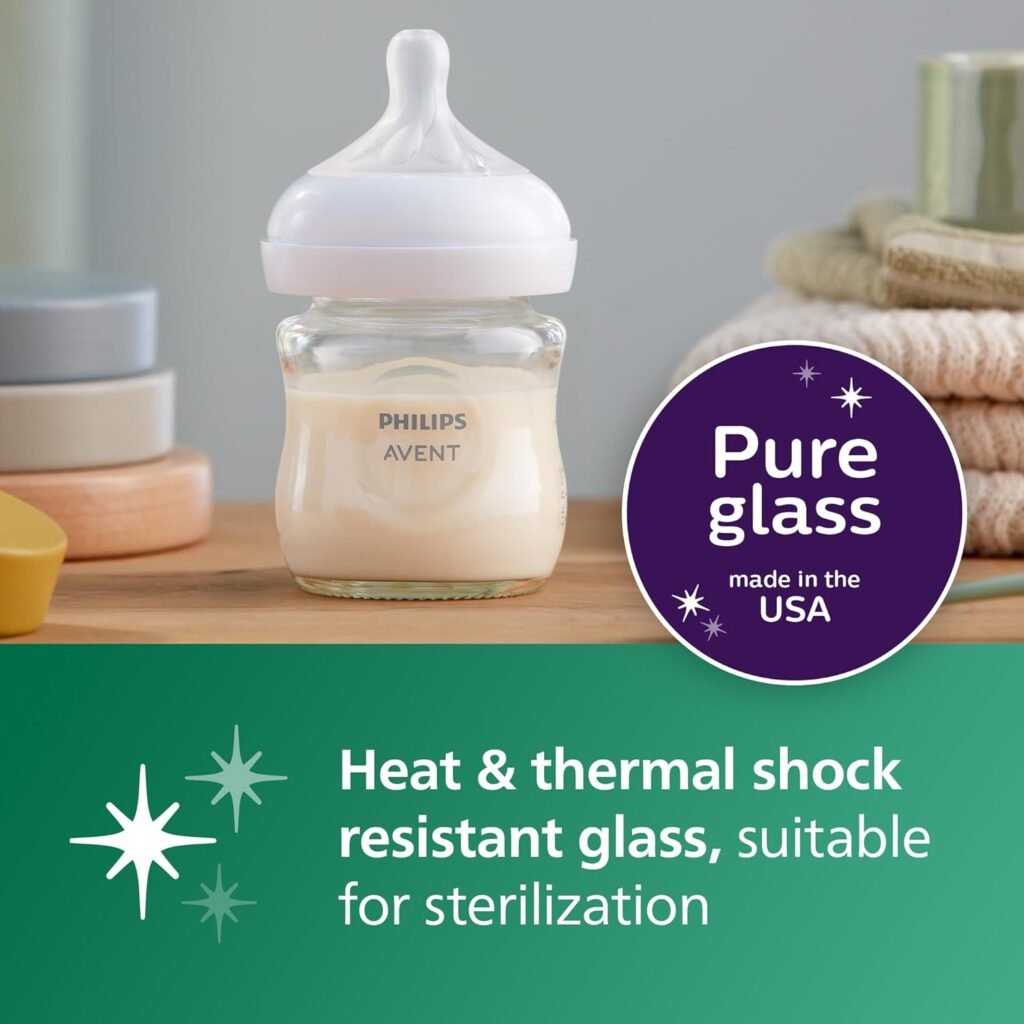
One of the biggest reasons parents choose this model is the glass material.
Advantages Parents Mention
- No chemical concerns: Many parents prefer avoiding BPA or other plastics altogether
- Easier to clean: Glass doesn’t retain odors or stains
- Long-lasting: Holds up well after repeated sterilization
- Eco-friendly: Reusable and more sustainable
In Europe especially, parents often highlight the environmental benefits as a key reason for choosing glass.
The Downsides
Of course, glass isn’t perfect.
Some parents—especially those with older babies—mention that the bottle is heavier than plastic alternatives. This can make it slightly harder for babies learning to hold their own bottles.
A few parents also worry about breakage, although many report that the glass is stronger than expected and holds up well with normal use.
Ease of Cleaning & Daily Use
If you’ve ever struggled with complicated baby bottles, you’ll appreciate this: simplicity matters.
Parents consistently praise how easy this bottle is to clean.
Why It Stands Out
- Wide opening makes washing quick and easy
- Fewer parts compared to anti-colic systems with tubes
- Dishwasher and sterilizer safe
- No hidden areas where milk can get trapped
Busy parents—especially those managing night feeds—say this makes a huge difference in daily life.
One U.S. parent mentioned switching from a more complex bottle system and feeling immediate relief at how much time they saved.
The Biggest Complaint: Nipple Flow Can Be Tricky
Let’s be honest—this is where most negative reviews come from.
The Natural Response nipple works differently, and that adjustment doesn’t work for every baby right away.
Common Issue
Some parents report that the flow feels too slow, especially for babies who are used to faster-flow bottles.
This can lead to:
- Longer feeding times
- Frustrated babies
- Parents thinking the bottle isn’t working
The Real Solution
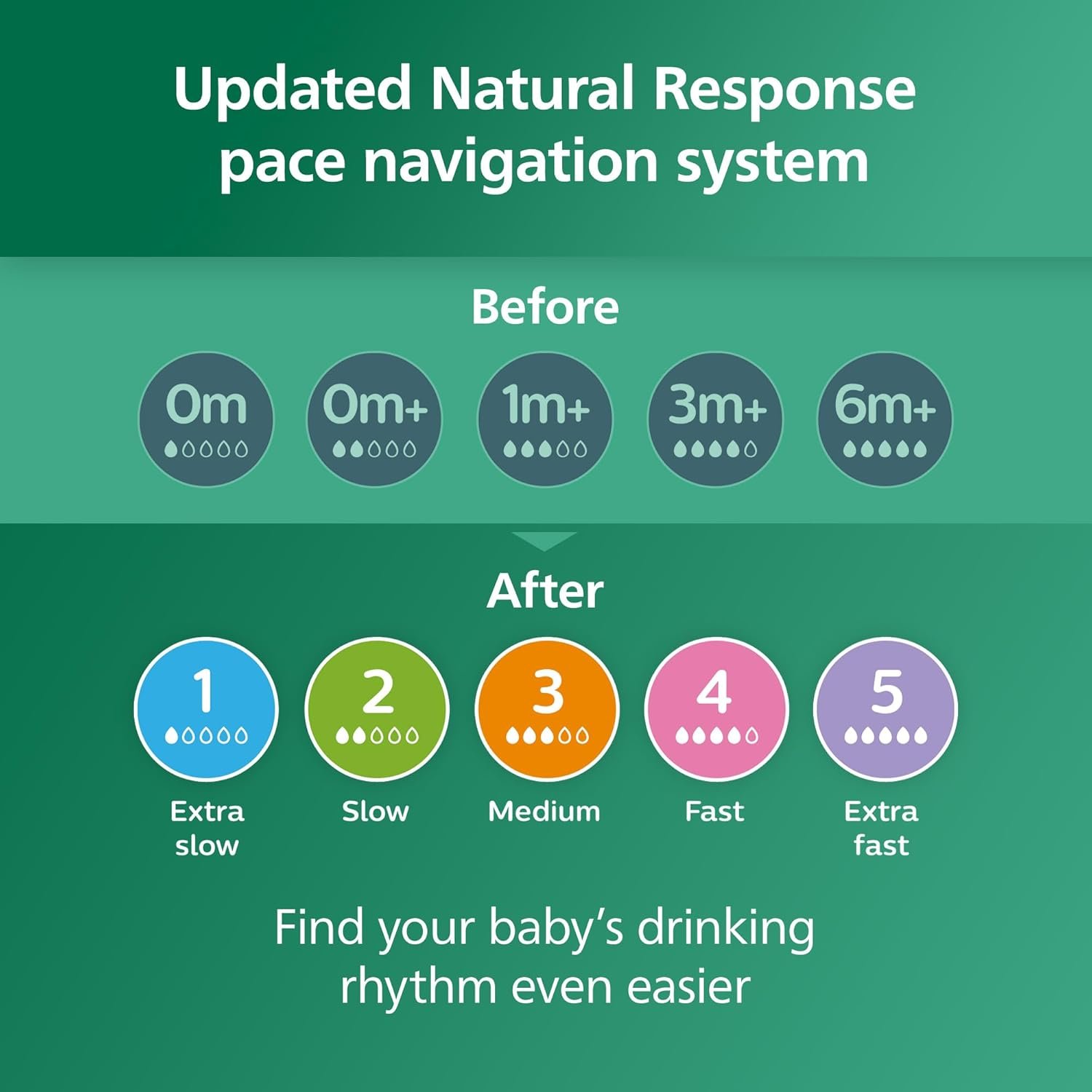
In many cases, the issue isn’t the bottle—it’s the nipple flow level.
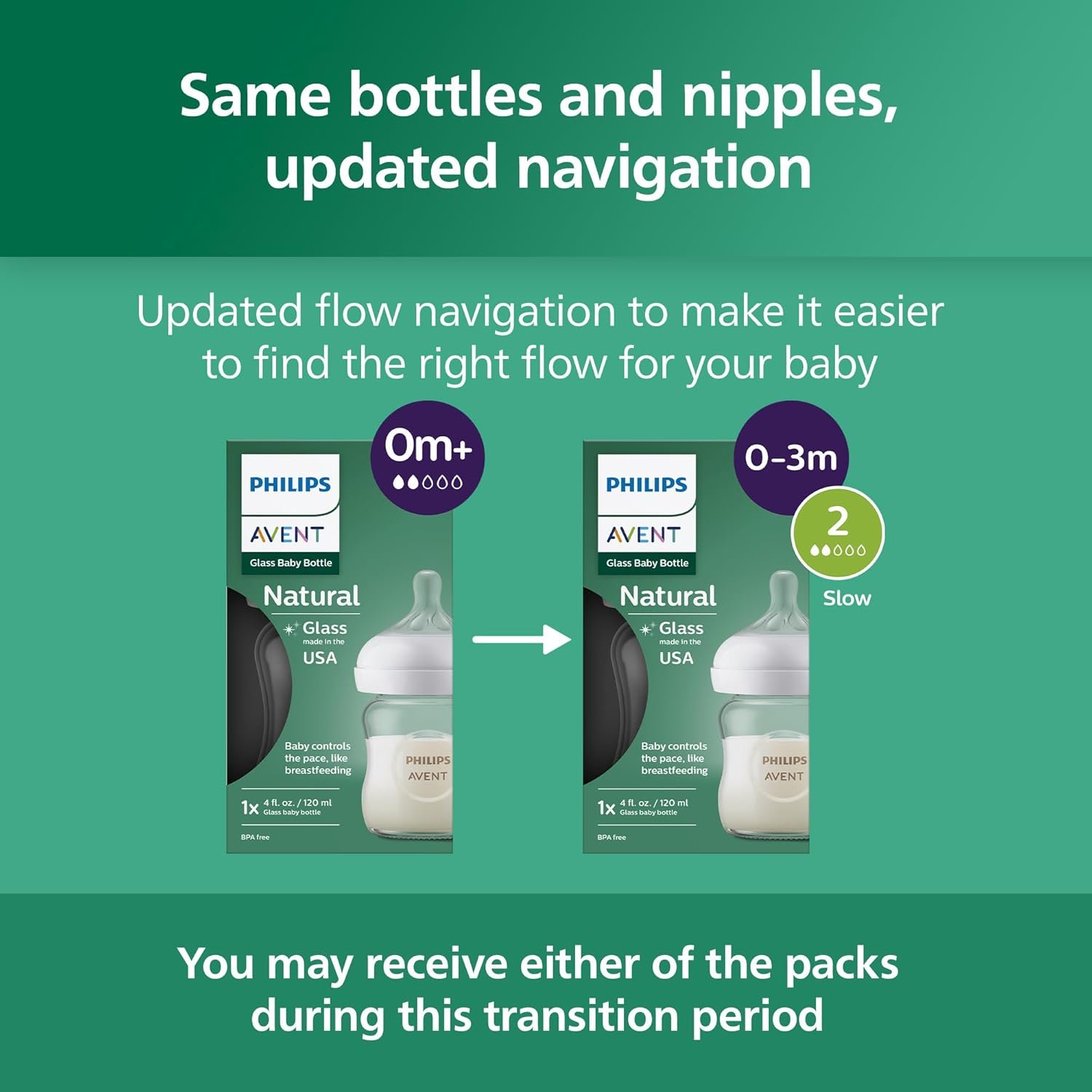
Philips Avent offers multiple flow levels, and several parents say that once they switched to a faster flow, everything improved immediately.
This is one of the most important takeaways:
👉 Finding the right nipple flow is key to success with this bottle.
Breastfeeding Moms: A Strong Favorite
Among all types of parents, breastfeeding moms seem to love this bottle the most.
Why?
Because it respects the natural feeding rhythm.
Many moms say:
- Their baby didn’t develop bottle preference
- Switching between breast and bottle became easier
- Feeding felt more natural and less forced
For parents who want to continue breastfeeding while occasionally using a bottle, this is often seen as one of the best options available.
Real-Life Scenarios from Parents
To give you a clearer picture, here are some real-world situations parents described:
Scenario 1: The Combo Feeding Mom (USA)
A mom who breastfeeds during the day and uses a bottle at night said this bottle finally solved her biggest issue—her baby refusing the bottle. After trying multiple brands, this was the first one her baby accepted consistently.
Scenario 2: The Colic-Struggling Family (Europe)
Parents dealing with a gassy newborn noticed fewer crying episodes after switching. While not a miracle cure, the baby seemed more comfortable and less fussy after feeds.
Scenario 3: The First-Time Parent
A new parent appreciated how simple the bottle was to assemble and clean. With so much to learn already, having a straightforward feeding solution made life easier.
Scenario 4: The Fast Eater Baby
Some parents of babies with strong sucking reflexes initially struggled because the flow felt slow. After moving to a higher flow nipple, feeding became smooth and efficient.
Pros and Cons (Based on Real Parent Feedback)
Pros
- Mimics natural breastfeeding behavior
- No-drip nipple reduces mess
- High-quality glass material
- Easy to clean and maintain
- Anti-colic design helps reduce gas
- Great for combination feeding
Cons
- Nipple flow may feel too slow at first
- Heavier than plastic bottles
- Requires choosing the right flow level
- Not ideal for every baby
Who Should Buy This Bottle?
This bottle is a great choice if:
- You are breastfeeding and want a smooth transition
- You prefer glass over plastic
- You want a natural, baby-led feeding experience
- You value simplicity and easy cleaning
It may not be the best fit if:
- Your baby prefers fast milk flow
- You want a lightweight bottle for independent holding
- You’re looking for a “quick-feed” solution
Final Verdict: Is It Worth It?
After analyzing feedback from both American and European parents, one thing is clear:
The Philips Avent Natural Response Glass Baby Bottle is not just another baby bottle—it’s designed for a very specific purpose: natural, controlled feeding that mimics breastfeeding.
For many families, it delivers exactly that.
Parents love the quality, the thoughtful design, and the way it supports a more natural feeding rhythm. The main challenge—nipple flow—is usually easy to solve once you understand how the system works.
Bottom Line
If your goal is to create a calm, natural feeding experience while avoiding plastic and reducing feeding issues, this bottle is one of the best choices you can make.
It’s not perfect for every baby—but for the right fit, it can make a real difference in your daily routine.
Quick Summary
- Best for: Breastfeeding & combo feeding parents
- Standout feature: Natural Response nipple (baby controls milk flow)
- Material: Durable, high-quality glass
- Biggest tip: Choose the correct nipple flow level
- Overall: Highly recommended by real parents worldwide
If you’re willing to take a little time to find the right nipple flow, this bottle can easily become one of your most trusted baby essentials.
Check our full guide: NCVI vs Momcozy vs Paruu Breast Pumps (2026 Review)